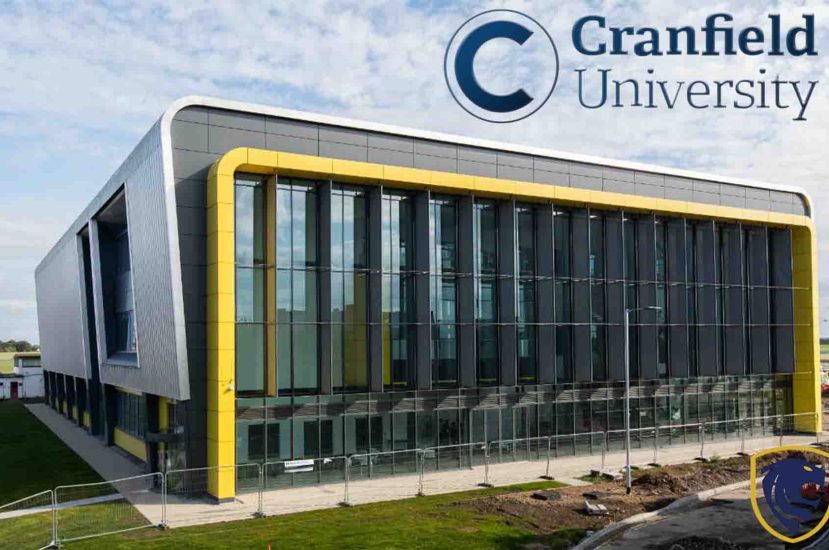
This article provides a comprehensive overview of Cranfield University, one of the United Kingdom’s most specialised and industry-focused postgraduate institutions. It begins by exploring the university’s origins in 1946 as the College of Aeronautics, highlighting how it evolved from a wartime aviation training site into a globally recognised centre for advanced education and research. The discussion then follows its institutional growth, transformation into a university, and expansion into multiple disciplines beyond engineering.
The article also examines Cranfield’s global standing through rankings, accreditations, and subject-level strengths, particularly in engineering, management, and environmental sciences. In addition, it highlights the university’s strong industry connections and its reputation for producing influential professionals across various sectors.
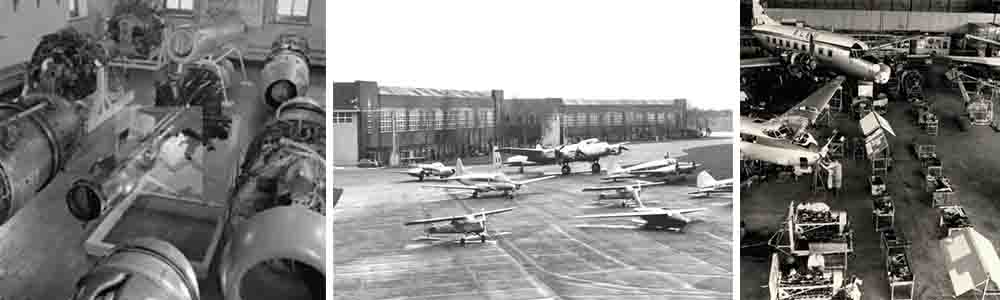
History of Cranfield University
Further, the article showcases notable alumni who have made significant contributions in business, engineering, public policy, and global organisations, reflecting the university’s real-world impact. Finally, it provides insight into the university’s campuses, facilities, and specialised areas of study. Overall, this article presents a clear and structured understanding of Cranfield’s history, reputation, and global significance.
01. History of Cranfield University
Cranfield University was founded in 1946 as the College of Aeronautics, established on the site of a former Royal Air Force (RAF) station in Cranfield, Bedfordshire, England. So, the college was set up in the immediate aftermath of World War II to harness Britain’s wartime aeronautical expertise and convert it into advanced postgraduate education and applied research. The RAF Cranfield airfield was specifically chosen because it included existing runways, hangars, and technical facilities, providing the institution with an immediate, practical infrastructure for aviation-related work. Also, from the very beginning, the institution offered only postgraduate-level education. Moreover, Cranfield is one of only two universities in the United Kingdom to own and operate its own airport (Cranfield Airport), which has been part of the campus since its founding and is used for flight testing, research, and pilot training.
Institutional Development (1960s–1970s)
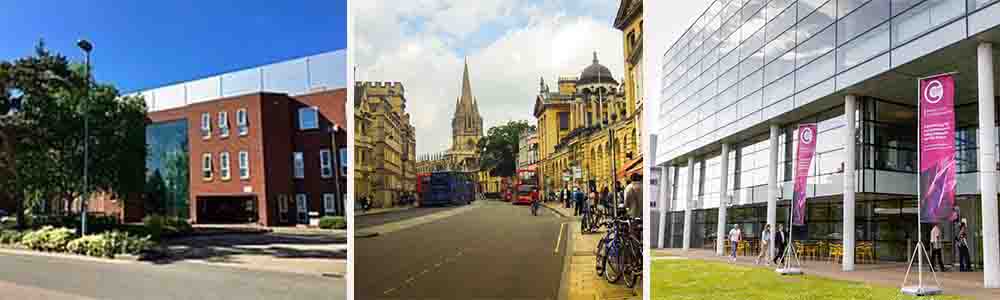
History of Cranfield University
In 1969, the College of Aeronautics was granted university status and the right to award its own degrees, becoming the Cranfield Institute of Technology. This transition gave Cranfield the authority to confer taught and research degrees independently, moving it from a specialist college to a fully recognised institution of higher education. During the 1960s and 1970s, the institution expanded significantly beyond aeronautics, adding programmes in mechanical engineering, manufacturing technology, materials science, and management. Also, the School of Management was established during this period, offering MBA and executive education programmes.
Becoming Cranfield University (1993)
In 1993, the Cranfield Institute of Technology was formally renamed Cranfield University, reflecting the institution’s growth into a comprehensive, multi-disciplinary postgraduate university. Moreover, the name change marked a significant shift in identity from a technical institute associated primarily with aeronautics and engineering to a university with recognised schools in management, science, and defence. Around the same time, Cranfield took over the management of the Royal Military College of Science (RMCS) at Shrivenham in Oxfordshire, creating a second campus for the university.
Through the 2000s, Cranfield continued to diversify its research and academic portfolio, expanding into areas such as environmental science, water management, agrifood, digital manufacturing, and data science. Today, Cranfield is home to approximately 5,000 postgraduate students, drawn from more than 100 countries, making it one of the most internationally diverse universities in the UK.
2. Rankings and Recognitions
In the QS World University Rankings, Cranfield consistently appears in the global top 300–400 overall. This is a strong result, given that it is a small university which only offers postgraduate degrees. Moreover, in QS subject-level rankings, Cranfield performs significantly better, ranked within the top 50–100 globally for engineering and technology disciplines, including aerospace, mechanical, and manufacturing engineering. The Times Higher Education (THE) World University Rankings also place Cranfield in the global top 500.
This ranking system indicates the university’s notably stronger performances in subject-level assessments across engineering, business, and applied sciences.
>Also, in the U.S. News & World Report Best Global Universities ranking, Cranfield features in engineering-related categories, recognised for its research output and international academic reputation in technical disciplines. Because Cranfield operates as a postgraduate-only institution without a large undergraduate body, overall ranking positions tend to underrepresent its quality; subject and research-specific rankings give a more accurate picture of its global standing.
Business School – MBA Rankings
Cranfield School of Management is one of the most respected business schools in the United Kingdom and is consistently ranked among the top 10 UK business schools across multiple ranking bodies. Also, in the Financial Times Global MBA Rankings, Cranfield’s full-time MBA programme has been consistently placed within the top 50–100 globally, making it one of the top-ranked MBA programmes in Europe.
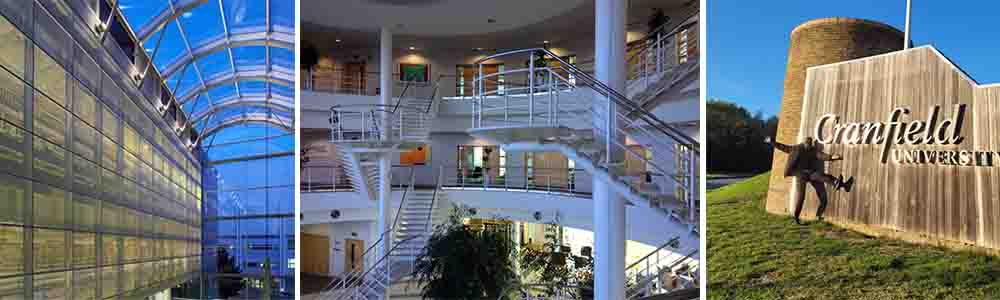
Rankings and Recognitions Cranfield University
Subject-Specific Rankings
Cranfield is widely considered to be among the top 3–5 universities in the UK for aerospace engineering. Also, it is frequently cited in the global top 50 for this discipline in QS subject rankings. Manufacturing and Mechanical Engineering programmes are ranked highly both nationally and internationally. Moreover, Cranfield’s School of Water, Energy and Environment (SWEE) is internationally recognised, often listed among the world’s top institutions for water management, environmental engineering, and resource sustainability. In addition, Cranfield hosts the National Soil Resources Institute and is considered the UK’s leading centre for soil science research, informing national agricultural and environmental policy. So, Cranfield’s defence-focused programmes at the Shrivenham campus are considered among the best in Europe, with no direct equivalent in breadth or government backing at any other UK university.
Accreditations
Cranfield School of Management holds triple accreditation from AACSB (Association to Advance Collegiate Schools of Business), EQUIS (European Quality Improvement System), and AMBA (Association of MBAs), a distinction held by less than 1% of business schools worldwide. Also, this triple-crown accreditation is the gold standard in business education globally, signalling that the school meets the highest international benchmarks for teaching quality, research, faculty credentials, and graduate outcomes.
Moreover, engineering programmes at Cranfield are accredited by the Royal Aeronautical Society (RAeS), the Institution of Mechanical Engineers (IMechE), and the Institution of Engineering and Technology (IET), ensuring graduates meet UK and international professional engineering standards. In addition, water and environmental programmes are accredited by the Chartered Institution of Water and Environmental Management (CIWEM) and the Chartered Institution of Wastes Management (CIWM), enabling graduates to pursue chartered professional status. In addition, Cranfield’s defence-related programmes and research at Shrivenham carry formal recognition from the UK Ministry of Defence, NATO’s Allied Command Transformation, and other Allied defence bodies, a rare and significant distinction.
Its strong focus on postgraduate education and industry collaboration has helped many students achieve global recognition. Furthermore, the university is especially respected for developing leaders who contribute to major industries and international organisations. Below are ten prominent alumni who represent the global impact of Cranfield University.
3. Prominent Alumni Of the University
1. Warren East – Former CEO of Rolls-Royce
Warren East is one of the most successful alumni of Cranfield University. He completed his Executive MBA at the university and later became the CEO of Rolls-Royce, one of the world’s leading engineering companies. Before that, he was also the CEO of ARM Holdings, a major technology company.
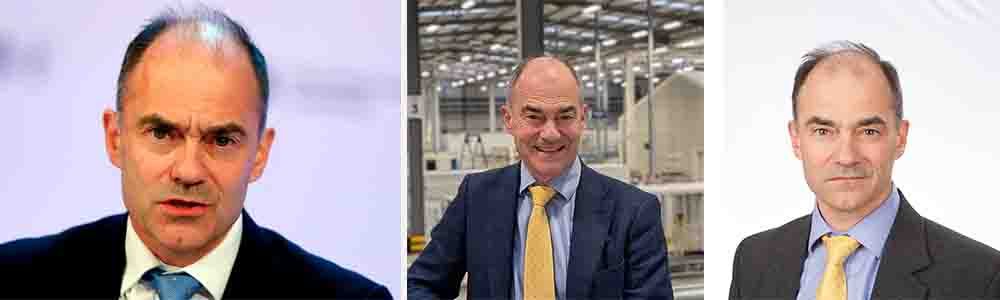
Warren East – Former CEO of Rolls-Royce
East is known for his leadership in the technology and engineering sectors. Moreover, he helped transform companies through innovation and strategic management. His career shows how Cranfield’s management education prepares students for high-level leadership roles. In addition, his success also highlights the university’s strong links with industry and engineering excellence.
2. Karan Bilimoria – Founder of Cobra Beer
Lord Karan Bilimoria is a well-known entrepreneur and business leader. He is the founder of Cobra Beer, an international beverage brand. He studied at Cranfield as part of a business development programme.
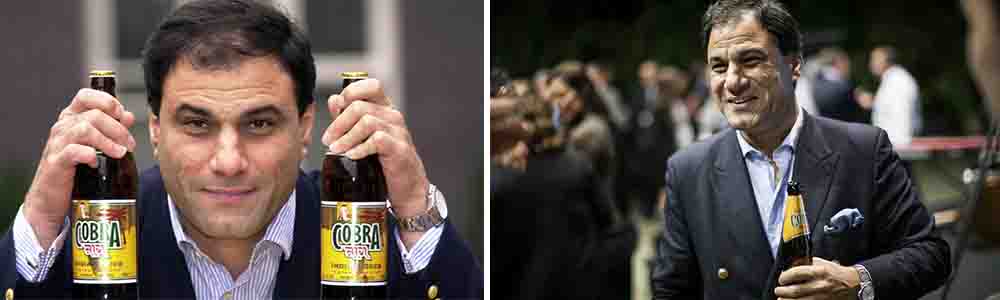
Karan Bilimoria – Founder of Cobra Beer
Bilimoria’s journey from a student entrepreneur to a global business leader is widely recognised. He is also a member of the House of Lords in the UK. Also, his achievements reflect Cranfield’s strong support for entrepreneurship and innovation. In addition, he continues to influence business policy and education.
3. Elena Ambrosiadou – CEO of IKOS Asset Management
Elena Ambrosiadou is a leading figure in the global finance industry. She completed her MBA at Cranfield University. Later, she founded IKOS Asset Management, a highly successful hedge fund company.

Elena Ambrosiadou – CEO of IKOS Asset Management
She is one of the most successful female entrepreneurs in Europe. Also, her work in finance and investment management has earned international recognition. Her success highlights Cranfield’s strength in finance and business education.
4. Andy Harrison – Former CEO of Whitbread
Andy Harrison is a senior business leader with experience in major UK companies. After studying at Cranfield, he became CEO of Whitbread, the company behind brands like Premier Inn and Costa Coffee.
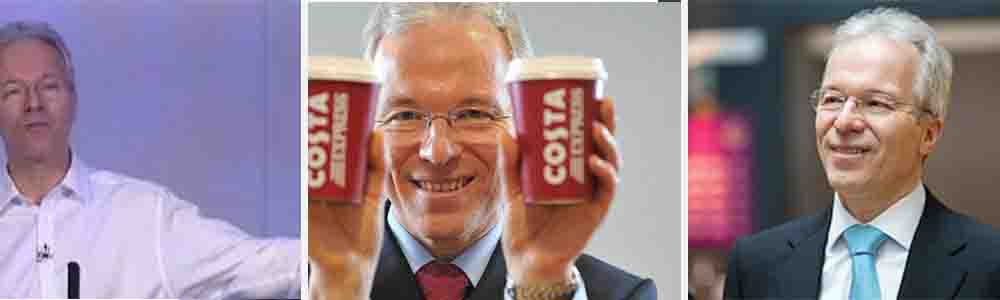
Andy Harrison – Former CEO of Whitbread
He also held leadership roles in the aviation and retail industries. His career shows the importance of strategic management and leadership skills. So, Cranfield’s focus on practical business education played a key role in his development.
5. Sarah Willingham – Businesswoman and TV Personality
Sarah Willingham is a successful entrepreneur and television personality. She studied at Cranfield University and later became known for her role on the BBC show Dragons’ Den.

Sarah Willingham – Businesswoman and TV Personality
She has built several businesses in the hospitality and retail sectors. Her success demonstrates Cranfield’s ability to support entrepreneurial talent. She is also known for encouraging young entrepreneurs and promoting business innovation.
6. John McFarlane – Former Chairman of Barclays
John McFarlane is a highly respected figure in global finance. He completed his MBA at Cranfield University. He later became Chairman of Barclays Bank and also led Westpac, one of Australia’s largest banks.
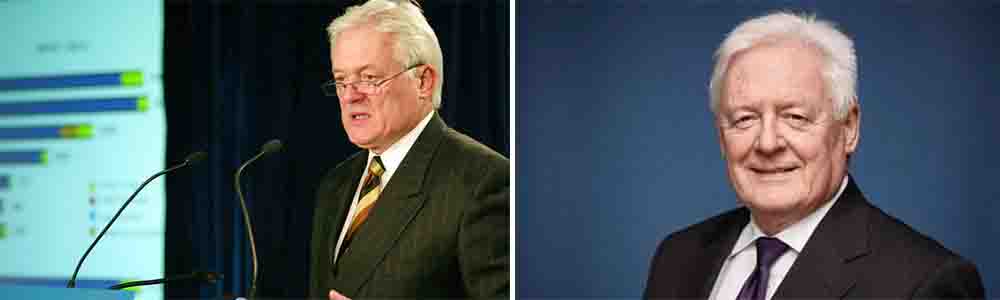
John McFarlane – Former Chairman of Barclays
His leadership in international banking shows the strong global influence of Cranfield graduates. He is also known for restructuring organisations and improving financial performance.
7. Omobola Johnson – Former Minister of Communication Technology
Dr Omobola Johnson is a Nigerian leader in technology and public policy. She completed a doctorate at Cranfield University. Later, she served as Nigeria’s Minister of Communication Technology.

Omobola Johnson – Former Minister of Communication Technology
She played a key role in improving digital infrastructure and promoting internet access in Nigeria. Also, her work has had a major impact on national development. Her achievements reflect Cranfield’s global reach and influence in policy and technology.
8. Winnie Byanyima – Executive Director of UNAIDS
Winnie Byanyima is an international leader in public health and human rights. She studied at Cranfield University in environmental and energy-related fields.

Winnie Byanyima – Executive Director of UNAIDS
She later became the Executive Director of UNAIDS and previously led Oxfam International. Her work focuses on global health, poverty reduction, and gender equality. So, she is widely respected for her leadership in international organisations.
9. Adel Al Redha – COO of Emirates Airlines
Adel Al Redha is a key figure in the global aviation industry. He studied air transport at Cranfield University. Later, he became Chief Operating Officer of Emirates Airlines, one of the world’s leading airlines.
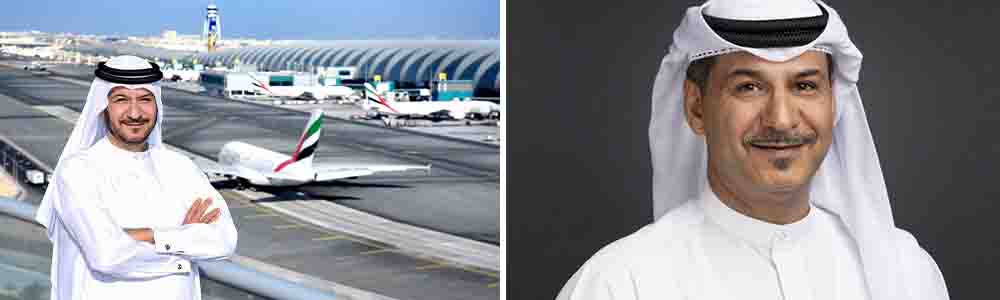
Adel Al Redha – COO of Emirates Airlines
He has played an important role in improving airline operations and customer experience. Moreover, his career highlights Cranfield’s strong reputation in aviation and transport studies.
10. James Vowles – Team Principal in Formula 1
James Vowles is a leading figure in Formula 1 motorsport. He studied motorsport engineering and management at Cranfield University. He later became a key strategist for championship-winning Formula 1 teams.

James Vowles – Team Principal in Formula 1
Currently, he serves as a Team Principal in Formula 1. His career reflects Cranfield’s excellence in engineering and motorsport education. The university is widely known for producing graduates who work in top racing teams
4. Sub campuses of the University
1. Cranfield Campus (Bedfordshire, England)
The Cranfield Campus is the university’s primary and largest site, located in rural Bedfordshire between Milton Keynes and Bedford. Also, this campus is the academic and research heart of the university and hosts the majority of its schools and facilities.
One of the most distinctive features of this campus is that it has its own operational airport, known as Cranfield Airport. Also, this is extremely rare for a university and is used for aerospace teaching, research, and industry collaboration.
The Cranfield Campus focuses on key disciplines such as:
- Aerospace engineering and aviation
- Manufacturing and advanced engineering
- Energy, environment, and agrifood
- Water and sustainability
- Management and business (through the Cranfield School of Management)
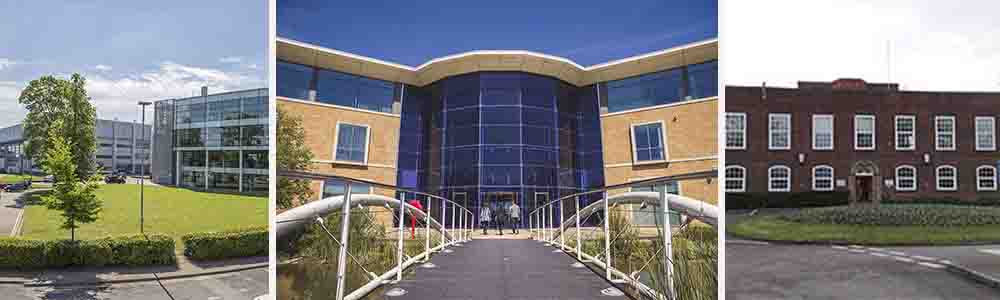
Sub campuses of the University
2. Shrivenham Campus (Defence Academy of the UK, Oxfordshire)
The second major campus is located at Shrivenham in Oxfordshire, within the Defence Academy of the United Kingdom. This campus is often referred to as Cranfield Defence and Security.
This site specialises in:
- Defence and military studies
- Security and intelligence
- Engineering for defence applications
- Strategic leadership and management for armed forces
Facilities at Shrivenham include:
- Specialised defence laboratories and training centres
- Simulation environments and technical research units
- Residential and training facilities for military and civilian students
Despite its specialised nature, student life still includes opportunities for social interaction, networking, and professional development. In conclusion, like the main campus, it is set in a rural environment but is close to towns such as Swindon and Oxford.
Read More:
Main Campuses of Cranfield University – Cranfield Campus (Part 2)
Shrivenham Campus – University of Cranfield (Part 3)

Study Overseas details for University Articles