
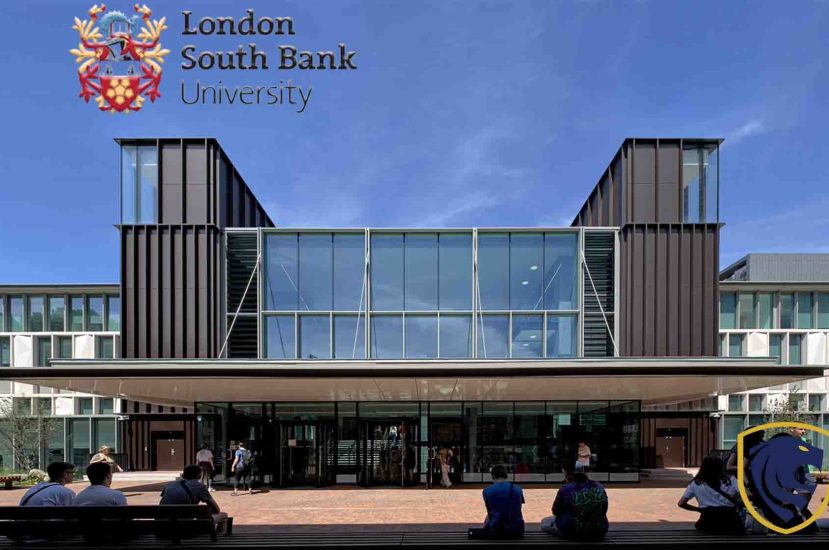
1. History of London South Bank University
• Early Foundation
London South Bank University was established in 1892 as Borough Polytechnic Institute. It is located in the London Southwark area, near the River Thames. This educational facility was initially established to provide accessible education for working-class communities. So, they have a strong focus on practical and technical educational fields such as engineering, trades, and applied sciences.
The main purpose of the university was to support industrial growth in London during the Industrial Revolution. In the earliest stages, they offered courses such as Engineering and mechanics, Printing and bookbinding, Food technology, and domestic sciences. In addition, they offered evening classes for working adults under a flexible education model. The institution built strong links with local industries and employers.
• Development into Polytechnic
In 1970, the university was renamed the Polytechnic of the South Bank as its academic programs expanded beyond technical subjects. During this period, they introduced degrees in business and management, social sciences, and humanities. That led to an increase in the student and academic staff populations. In 1987, the institute was again renamed to South Bank Polytechnic. Later, the academic focus shifted towards higher education degrees alongside vocational training. The educational curricula were designed with continued emphasis on practical skills, employability, and industry collaboration.
• University Status and Modern Identity

History of London South Bank University
In 1992, this educational institute gained full university status under UK education reforms and became part of the “post-1992 universities” group. With that, the university’s official name became London South Bank University. In 2003, the rebranding of the university strengthened its identity as a modern London university. Moreover, the expansion of undergraduate and postgraduate programs has caused the growth in the international student population.
• 21st Century Growth and Transformation
In recent years, London South Bank University has made major improvements to its campus to support modern education. For example, the university developed the Student Centre, which provides a comfortable space for both learning and social interaction. Moreover, the Enterprise Centre was created as a hub for business innovation, so students can work on real business ideas and projects. In addition, Elephant Studios was introduced as a professional media and broadcasting facility, which allows students to gain hands-on experience in creative industries.
Furthermore, the university has invested heavily in academic facilities. Health simulation labs are used to train healthcare students in realistic environments, so they can practice before working with real patients. Engineering workshops have also been upgraded to support practical learning. In addition, digital learning technologies have been improved, which makes teaching more interactive and flexible. Because of these developments, students gain both theoretical knowledge and practical experience.
2. Rankings and Recognitions of London South Bank University
Global Rankings Overview
Globally, London South Bank University is positioned in the mid-tier range, but it shows steady improvement. For example, it is ranked between 601–800 in the Times Higher Education World University Rankings 2026. Moreover, it is placed in the 901–950 range in the QS World University Rankings 2026.
In addition, other ranking systems such as EduRank and U.S. News place the university around the 1100 range globally. Although these positions are not at the top level, they still reflect consistent performance. Furthermore, the university performs better in applied and vocational areas, which matches its focus on practical education.
UK National Rankings
Within the United Kingdom, the university has shown clear improvement in recent years. For instance, it is ranked 77th in the Guardian University Guide 2026. Moreover, it is placed around 110th in the Complete University Guide. These rankings show that the university is gaining recognition.
In addition, it has improved significantly in recent years. For example, it moved up more than 20 places in the Guardian rankings in 2025. Because of this progress, the university is becoming more competitive in the UK higher education sector.
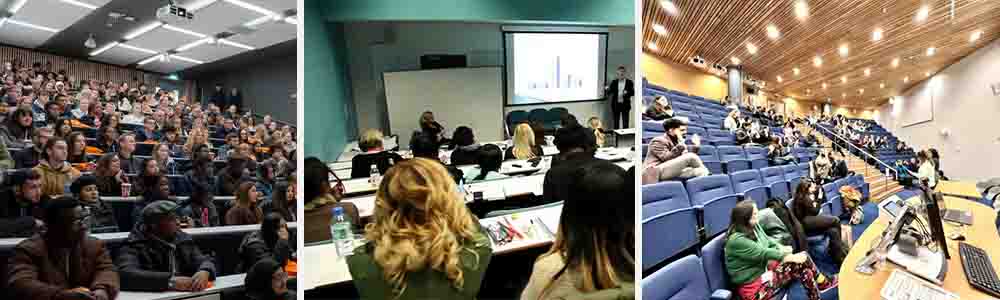
Rankings and Recognitions of London South Bank University
Subject-Specific Strengths
One of the strongest areas of the university is its subject performance. For example, it is ranked 1st in the UK for Social Work according to the Guardian University Guide 2026. Moreover, it is placed in the top 5 for subjects such as forensic science and mechanical engineering.
In addition, the university performs well in civil engineering, the built environment, and health-related programs. These courses are often professionally accredited, which means they meet industry standards. Because of this, graduates are well prepared for professional careers.
Teaching Excellence and Student Outcomes
London South Bank University has been awarded a Silver rating in the Teaching Excellence Framework (TEF). This shows that the university provides good quality teaching and student support. Moreover, it focuses strongly on employability outcomes.
In addition, teaching methods include practical assessments, industry placements, and work-based learning. For example, students often complete internships as part of their degree. Furthermore, graduates are known for being job-ready because they have both knowledge and practical skills.
Awards and Institutional Recognition
The university has received several important awards. For instance, it was named Entrepreneurial University of the Year at the Times Higher Education Awards in 2016. This recognition highlights its focus on innovation and business education.
Moreover, the university performs well in global impact rankings. It is recognised for reducing inequalities and promoting gender equality. In addition, it supports social inclusion initiatives, which align with its core values.
Graduate Outcomes and Employability
Graduate employability is one of the university’s strongest features. It is ranked among the top modern universities in London for graduate earnings. This is mainly because of strong industry links and practical learning opportunities.
In addition, placement opportunities and real-world projects help students gain experience before graduation. As a result, many graduates find jobs in engineering, healthcare, and business sectors. Furthermore, employers value LSBU graduates because they are prepared for real work environments.
Reputation and Institutional Strengths
Overall, London South Bank University is known for its career-focused education and strong industry connections. It also has a diverse and inclusive student community, which makes it accessible to many learners.
Moreover, its reputation is stronger in teaching and employability rather than research. However, this is not a weakness because the university focuses on practical education. In addition, it is highly valued for its real-world relevance and applied learning approach. So, it continues to attract students who want a career-oriented university experience.
3. Alumni Of the University.
1. David Adjaye – Architect
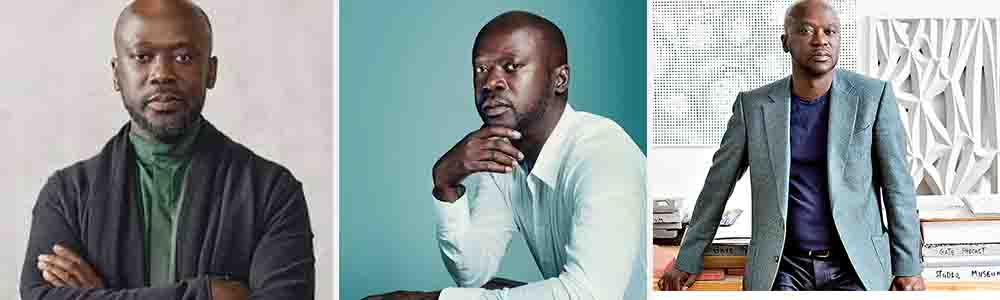
David Adjaye – Architect
David Adjaye is one of the most respected architects in the world. He studied at London South Bank University before building a global career in architecture. He is best known for designing important cultural buildings, including museums and public spaces. For example, he designed the Smithsonian National Museum of African American History and Culture in the United States. Moreover, his work focuses on modern design combined with cultural identity. Because of his achievements, he was awarded a knighthood in the UK. His success reflects the university’s strong foundation in design and the built environment.
2. Edd China -Television Presenter & Engineer
Edd China is a well-known television presenter and engineer. He studied engineering at London South Bank University, which helped him develop practical technical skills. He became famous through the popular car show Wheeler Dealers. Moreover, he is known for his creative mechanical inventions and hands-on approach to engineering. His career shows how technical education can lead to success in both the engineering and media industries.

Edd China -Television Presenter & Engineer
3. Shahid Malik -Politician
Shahid Malik is a British politician who served as a Member of Parliament. He studied at London South Bank University before entering public service. During his political career, he worked on issues related to community development and social equality. Moreover, he held roles in government, which allowed him to influence national policies. His journey highlights the university’s role in developing leaders in politics and public administration.
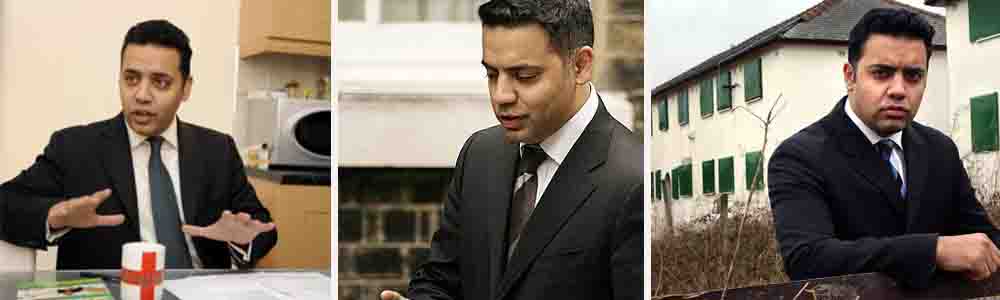
Shahid Malik -Politician
4. Shaun Bailey – Political Leader
Shaun Bailey is another important political figure associated with the university. He studied at London South Bank University and later became active in UK politics. He has served in the London Assembly and was also a candidate for Mayor of London. Furthermore, he is now a member of the House of Lords. His career shows how education at LSBU can support leadership in government and public service.

Shaun Bailey – Political Leader
5. Sarah Mullally – Religious Leader & Former Nurse
Sarah Mullally is a senior leader in the Church of England and also has a background in nursing. She studied at London South Bank University, where she developed her healthcare knowledge. Later, she became the Bishop of London, which is one of the most senior roles in the Church. Moreover, her career combines healthcare, leadership, and public service. She is respected for her contributions to both religion and society.

Sarah Mullally – Religious Leader & Former Nurse
6. Sue Black – Computer Scientist
Sue Black is a leading computer scientist known for her work in digital forensics and technology education. She studied at London South Bank University and later became a professor. Moreover, she is widely recognised for her advocacy work in technology and for promoting diversity in computing. For example, she led campaigns to preserve important historical computing sites. Her work shows the impact of combining technical skills with social awareness.
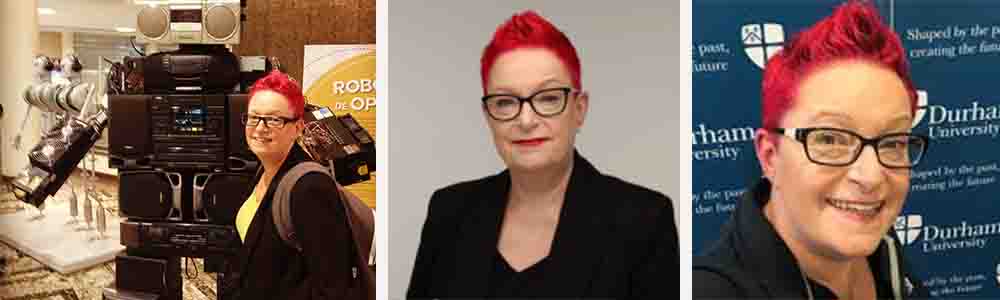
Sue Black – Computer Scientist
7. Charlie Whiting – Motorsport Official
Charlie Whiting was a key figure in Formula One racing. He studied engineering at London South Bank University before joining the motorsport industry. He later became the Race Director for Formula One, where he was responsible for safety and race regulations. Moreover, he played an important role in improving safety standards in racing. His career highlights the university’s connection to engineering and high-performance industries.
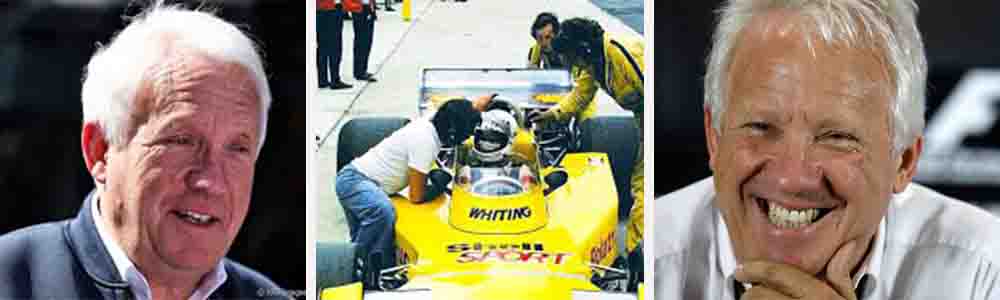
Charlie Whiting – Motorsport Official
8. Greg Searle – Olympic Athlete
Greg Searle is a British Olympic rower who won gold medals in international competitions. He studied at London South Bank University while developing his sports career. Moreover, he represented the UK in multiple Olympic Games. His success shows that students can balance academic studies with professional sports. In addition, his achievements bring recognition to the university in the field of athletics.

Greg Searle – Olympic Athlete
9. Phil Spencer – Television Presenter
Phil Spencer is a well-known television presenter and property expert. He studied at London South Bank University and later became famous for shows such as Location, Location, Location. Moreover, he built a strong career in real estate and media. His work focuses on helping people find and understand property markets. His success reflects the university’s contribution to business and media careers.

Phil Spencer – Television Presenter
10. Peter Ackroyd – Author & Historian
Peter Ackroyd is a respected author, historian, and biographer. He studied at London South Bank University before becoming a leading literary figure. Moreover, he has written many books about London’s history and culture. His work is widely recognised for its depth and storytelling style. Because of his contributions, he is considered an important voice in British literature.

Peter Ackroyd – Author & Historian
4. Sub Campuses of the University
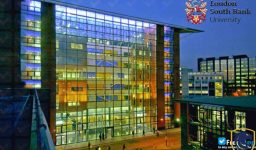
London South Bank University mainly operates through its central campus in London, but it also includes several specialised campuses and facilities. These campuses are designed to support different areas of study and professional training.
The main campus is located in Southwark Campus, which is in central London near the River Thames. This campus serves as the academic and administrative centre of the university. It houses most faculties, lecture halls, libraries, and student facilities. Moreover, it is surrounded by major London landmarks, so students benefit from strong urban connections.
Another important facility is the South Bank Technical College, which focuses on technical and vocational education. It provides specialised training in engineering, construction, and technical skills. This reflects the university’s original mission of practical learning.
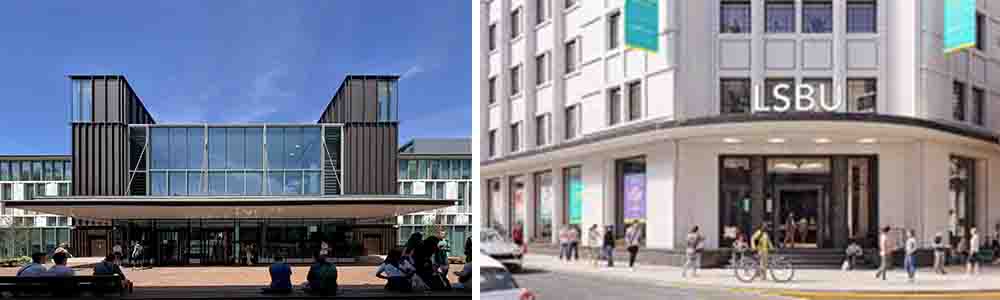
Sub Campuses of the University
In addition, LSBU operates the Institute of Health and Social Care, which is dedicated to healthcare education. This campus includes simulation labs and training environments for nursing and allied health students. Because of its partnership with the NHS, students gain real clinical experience.
Moreover, the LSBU Business School Hub acts as a centre for business and entrepreneurship. It supports students in developing business ideas and provides access to industry connections.
The university also has facilities such as Elephant Studios, which support media and creative arts education. These specialised spaces function like mini campuses because they are designed for specific disciplines.
Overall, LSBU does not operate multiple large separate campuses like some traditional universities. Instead, it follows a centralised campus model with specialised facilities. This approach allows students to access different academic resources within one main urban location. As a result, the university maintains strong connections with industry, healthcare, and business sectors in London.
Heard a lot of good things about Setrabetcasino and finally decided to give it a go. The games are pretty diverse and the site’s easy to navigate. Def recommend checking them out! Here’s the link: setrabetcasino
Just signed up with Madridbet using ‘madridbet kayıt’! The registration process was super smooth. Looking forward to trying my luck. Check them out here: madridbet kayıt
Yo, looking for some action on winph 5. Anyone had any luck there? Share the secrets, fam! winph 5
7ihagx