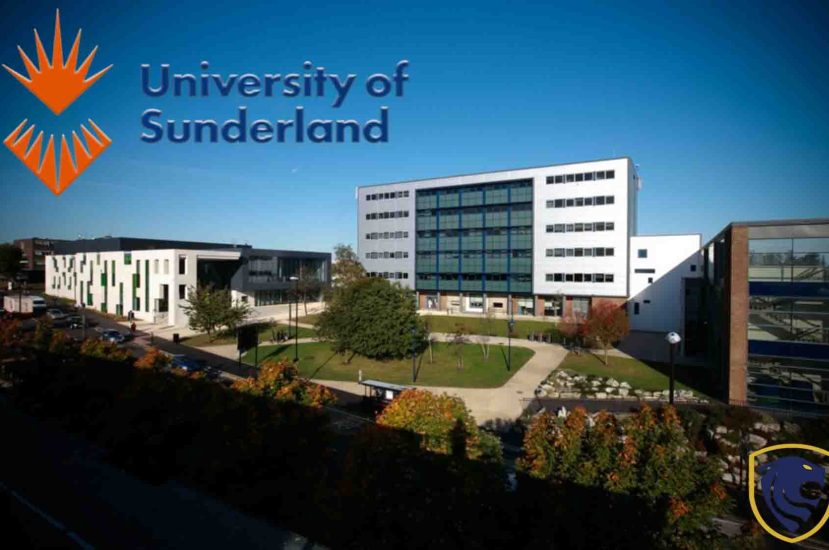
The City Campus is the main academic and administrative hub of the University of Sunderland. It is located in the heart of Sunderland. This campus plays a central role in delivering teaching, research, and student services. Moreover, it brings together multiple faculties, modern infrastructure, and strong industry connections.
4.1.1 Faculties and Programs Available at City Campus
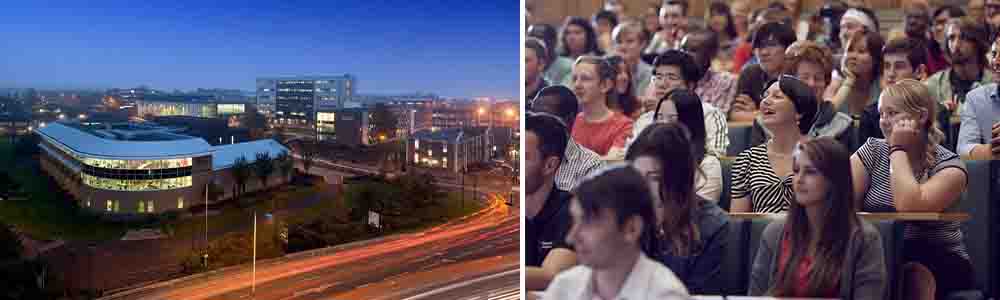
The City Campus offers a wide range of academic programs across several faculties. Because it is the main campus, it hosts most of the university’s key disciplines.
The Faculty of Business, Law and Tourism is one of the major academic divisions. It offers programs in business management, accounting, marketing, international business, law, and hospitality management. These courses are designed with strong industry links. Therefore, students gain practical knowledge along with academic learning.
In addition, the Faculty of Technology is also based here. It includes programs in computing, engineering, cybersecurity, and data science. These subjects focus on modern digital skills. Moreover, students use advanced labs and workshops for hands-on training.
Faculties and Programs Available at City Campus
The Faculty of Education and Society is another important area. It provides courses in education, social sciences, criminology, and psychology. These programs often include placements in schools, community centres, and social organisations.
Furthermore, health-related programs are also connected to the City Campus. Some theoretical components of nursing, pharmacy, and health sciences are delivered here before clinical training in partner institutions.
Overall, the City Campus supports a wide academic structure that covers business, science, engineering, education, and social studies.
4.1.2 History & Functions of the City Campus
The City Campus has developed over many decades. Its roots go back to Sunderland’s early technical and vocational education institutions in the 20th century. These institutions focused on supporting local industries such as shipbuilding, engineering, and manufacturing.
Over time, these colleges expanded and evolved into Sunderland Polytechnic in 1969. Later, in 1992, it became the University of Sunderland. As the university grew, the City Campus became its central academic location.

History & Functions of the City Campus
Today, the main function of the City Campus is to serve as the core teaching and administrative centre. It hosts lectures, seminars, research activities, and student services. Moreover, it supports collaboration between academic departments and industry partners.
In addition, the campus plays a key role in student life. It provides libraries, study spaces, and support services. Therefore, it acts as the main hub for both academic and social activities.
4.1.3 History of the City of Sunderland
The city of Sunderland has a rich industrial and cultural history. It is located in the northeast of England along the River Wear. Historically, the city developed as a major centre for shipbuilding, coal mining, and glass manufacturing.
During the Industrial Revolution, Sunderland became one of the leading shipbuilding cities in the UK. This industrial growth shaped the city’s economy and identity for many years. However, over time, traditional industries declined.

History of the City of Sunderland
As a result, the city shifted towards education, services, and technology. The presence of the University of Sunderland played an important role in this transformation. Moreover, the university helped support economic regeneration and skills development.
Today, Sunderland is known for its cultural heritage, modern development, and strong educational institutions. The city also offers coastal attractions, museums, and green spaces. Therefore, it provides a balanced environment for students.
4.1.4 Infrastructure Facilities at City Campus
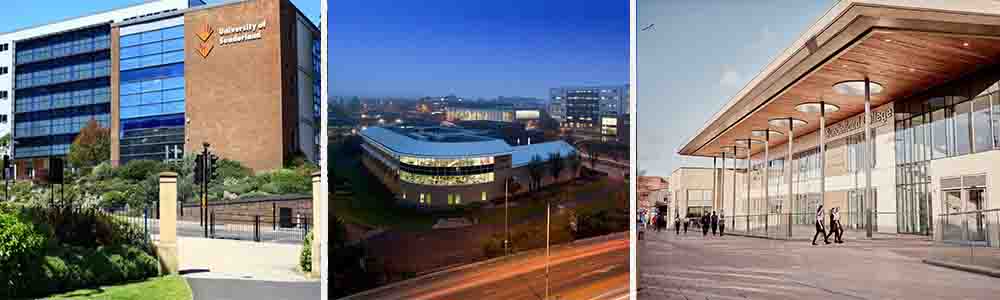
The City Campus has modern infrastructure designed to support learning, research, and student life. It combines traditional buildings with newly developed facilities.
One of the most important buildings is the David Puttnam Media Centre. It is a modern facility used for media, journalism, and film production. It includes studios, editing suites, and broadcasting equipment. Therefore, students gain hands-on experience in media production.
Another key facility is the Priestman Building. It is used for business, law, and tourism programs. The building includes lecture halls, seminar rooms, and academic offices. Moreover, it supports interactive learning and group activities.
Infrastructure Facilities at City Campus
The Reg Vardy Centre is another major structure. It focuses on business education and management studies. It also includes modern classrooms and student learning spaces. In addition, it supports enterprise and innovation activities.
The Sir Tom Cowie Campus at St Peter’s is closely linked to the City Campus. It is located near the river and focuses on media, computing, and tourism programs. It includes advanced digital labs and creative studios.
Furthermore, the campus has a modern library and learning centre. It provides digital resources, study rooms, and research support. Students use it extensively for academic work.
Additional facilities include student accommodation buildings, cafeterias, sports centres, and IT labs. These services support both academic and personal development.
Overall, the infrastructure at City Campus is modern, well-equipped, and designed to support career-focused education.
4.1.5 Weather in Sunderland City
The weather in Sunderland is typical of the UK’s northeastern coastal climate. It is generally mild but can be unpredictable.
Summers are usually cool to moderate, with temperatures ranging from 15°C to 22°C. This makes the weather comfortable for outdoor activities. However, occasional rain is still common.

Weather in Sunderland City
Winters are cold but not extreme. Temperatures often range between 1°C and 7°C. Snowfall can occur but is usually light and short-lived.
Rain is spread throughout the year. Therefore, students are advised to carry umbrellas or raincoats regularly. Moreover, cloudy days are quite common.
Because Sunderland is a coastal city, it can sometimes be windy. However, this also helps maintain fresh air quality.
Overall, the weather is manageable for students, but preparation for changing conditions is important.
4.1.6 Transportation & Airports Closest to the University
The City Campus in Sunderland is well-connected through different transport systems. Because it is located in the city centre, students can easily access buses, trains, and metro services.
Firstly, local bus services are widely available around the campus. These buses connect the university with residential areas, shopping centres, and nearby towns. Moreover, student travel passes make commuting more affordable.
Weather in Sunderland City
In addition, the metro system is an important transport option. The nearest station is the University Metro Station, which is located close to the campus. It connects Sunderland with Newcastle and other parts of the North East. Therefore, students can travel quickly between cities for study or leisure.
The nearest major railway station is Sunderland Railway Station. It provides connections to major UK cities through regional routes. Students often use it for travel to places such as London, Leeds, and Edinburgh.
For air travel, the closest airport is Newcastle International Airport. It is located about 40 minutes away by metro or car. The airport offers both domestic and international flights. Therefore, international students can travel easily between their home countries and the university.
Overall, transportation around City Campus is efficient, affordable, and student-friendly.
4.1.7 Student Life at City Campus
Student life at the City Campus is active, diverse, and engaging. Because the campus is located in the city centre, students have access to both academic facilities and urban lifestyle options.
The university has a strong Students’ Union, which supports clubs, societies, and student events. There are many societies available, including academic groups, cultural associations, sports clubs, and volunteering organisations. For example, students can join debate clubs, photography societies, music groups, and international student associations.

Student Life at City Campus
Moreover, entertainment options are easily available near the campus. Students often visit cafés, restaurants, shopping centres, and cinemas in Sunderland city centre. In addition, nearby coastal areas provide relaxing outdoor spaces.
Sports facilities are also well developed. The university provides gyms, fitness centres, and indoor sports halls. Students can participate in football, basketball, badminton, and other sports. Furthermore, municipal sports centres in the city offer additional facilities such as swimming pools and athletics tracks.
Extra-curricular activities are an important part of student life. Students can take part in volunteering programs, internships, and leadership development activities. These experiences help build confidence and employability skills.
Overall, student life at City Campus is balanced between academics, social activities, and personal development.
4.1.8 Night Life at Sunderland
Nightlife around City Campus is lively but also safe and student-oriented. Because the campus is in the city centre, students have many options for evening entertainment.
One popular place is The Point Nightclub, which is known for student events and themed nights. It offers music, dancing, and social events. Therefore, it is a common destination for university students.
Another well-known venue is Independent Sunderland, a live music and entertainment space. It hosts concerts, DJ nights, and cultural events. Moreover, it supports local artists and creative performances.

Night Life at Sunderland
For a more relaxed experience, students often visit pubs such as The Dun Cow. It offers a traditional British pub atmosphere with food and drinks. In addition, it is located close to the university, making it convenient for students.
Another option is The Ivy House, which is popular for social gatherings and casual evenings. It provides a comfortable environment for group meetings and relaxation.
Furthermore, Sunderland city centre has cinemas, late-night restaurants, and entertainment zones. Therefore, students can enjoy both active and relaxed nightlife experiences.
Overall, nightlife at City Campus offers a mix of music, social spaces, and calm environments.
4.1.9 Accommodation
Accommodation at the University of Sunderland is designed to support both local and international students. Because student housing is important, the university provides several options.
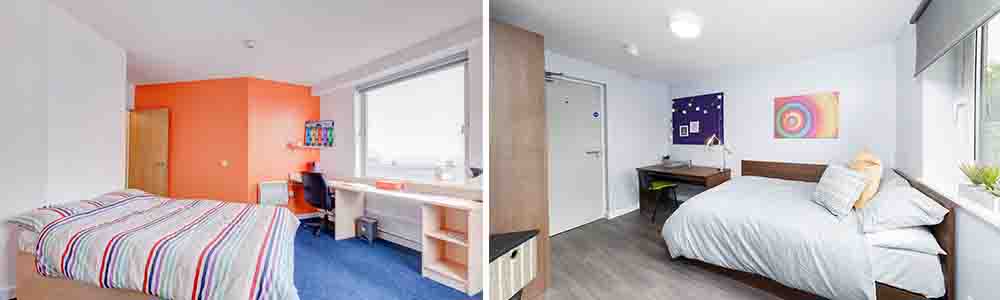
Firstly, university-managed accommodation is available near the City Campus. These halls of residence offer furnished rooms, shared kitchens, and study areas. Moreover, utilities such as the internet and electricity are usually included in the rent. This makes living more convenient for students.
Popular student residences include Scotia Quay and Pallion Hall. These accommodations provide secure environments with on-site support. In addition, they are located close to transport links and university buildings.
Accommodation
Secondly, many students choose private accommodation after their first year. These include shared houses, apartments, and rented rooms in the city. Areas close to the university are popular because they reduce travel time.
Private accommodation offers more independence. However, students must manage rent, bills, and daily expenses. Therefore, many students choose shared housing to reduce costs.
The university also guides on finding accommodation. This includes advice on contracts, safety, and budgeting. As a result, students can make informed housing decisions.
Overall, accommodation options are flexible, affordable, and student-focused.
4.1.10 Medical Services & Nearest Hospitals
Medical services near City Campus are easily accessible and well-developed. Because student health is important, the university ensures support is available throughout the year.
Firstly, students can register with local GP clinics in Sunderland. These clinics provide general healthcare services such as consultations, prescriptions, and routine check-ups. Moreover, the university also offers mental health and counselling support.
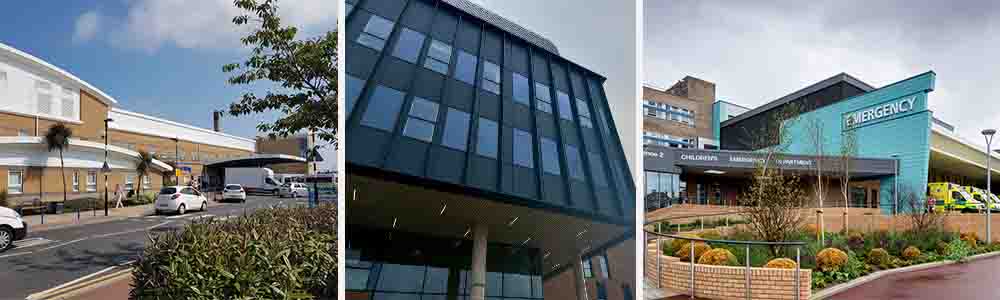
For more serious medical conditions, the nearest hospital is Sunderland Royal Hospital. It provides emergency care, surgery, and specialist treatments. Because it is located close to the university, students can access it quickly when needed.
Medical Services & Nearest Hospitals
Another important hospital is Queen Elizabeth Hospital in Gateshead, which offers advanced medical services. It is one of the major healthcare centres in the region.
In addition, pharmacies are widely available across the city. They provide medicines, health advice, and minor treatment support.
Furthermore, the university promotes student well-being through health awareness programs. These include stress management workshops, fitness activities, and mental health support services.
Overall, medical services around City Campus are reliable, accessible, and supportive for students.
Read More:
University of Sunderland, UK (part 1)

Study Overseas details for University Articles