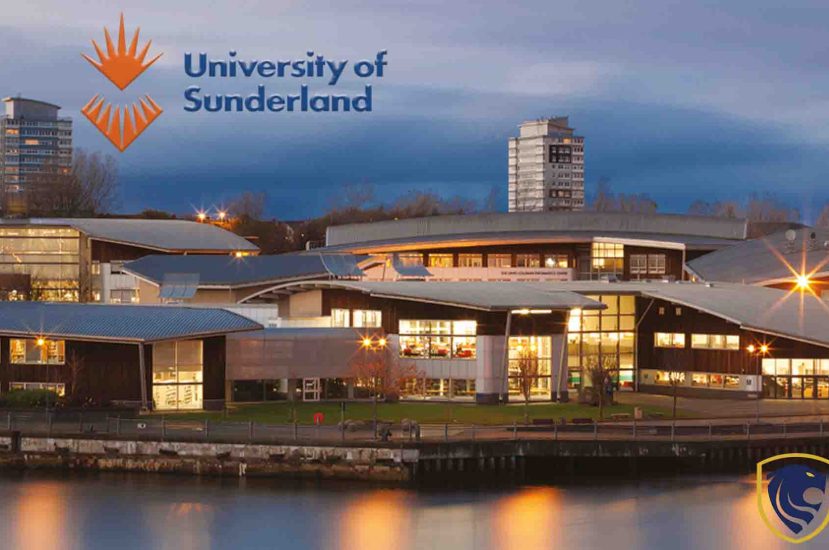
The University of Sunderland is a contemporary UK university that puts a strong focus on career-oriented education. It is well recognised for combining practical learning with solid student support and an international outlook. Over time, it has built a reputation for delivering programs that align closely with industry needs while keeping higher education accessible to a wide range of students. Its dedication to innovation and graduate employability continues to draw students from across the globe.
1. History of the University
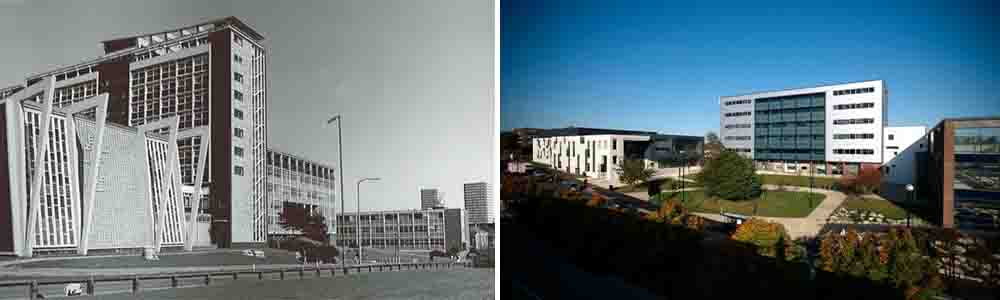
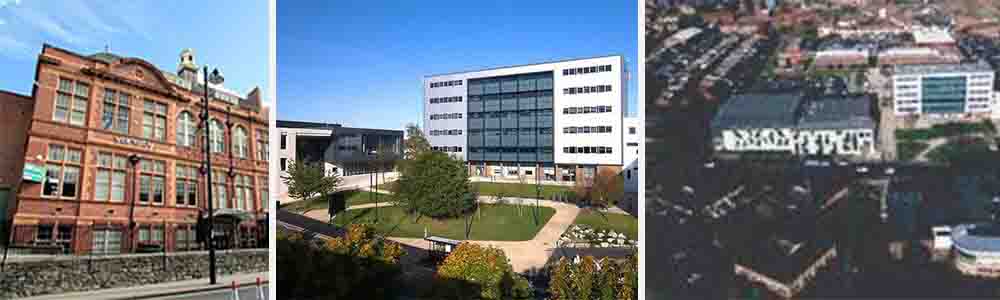
The University of Sunderland has developed over time through continuous growth and change. It was first established in 1901 as Sunderland Technical College, to deliver technical and vocational education to support the city’s main industries. During that period, Sunderland was largely driven by shipbuilding and engineering, so the college played a crucial role in training a skilled workforce.
Initially, the institution concentrated on areas such as engineering, science, and trade-based subjects. These programs were designed to meet the demands of local industries, which made the college an important part of the community.
By the middle of the 20th century, the institution began to expand beyond its original focus. It introduced subjects like business, arts, and social sciences, marking a transition to a broader academic approach. This expansion also helped bring in a more varied group of students.
Sunderland Polytechnic
History of the University
In 1969, the institution became Sunderland Polytechnic. This was a major step in its development. Polytechnics in the UK were known for their focus on practical education and industry links. Therefore, Sunderland Polytechnic strengthened its reputation for career-oriented learning.
Furthermore, during the 1970s and 1980s, the institution continued to grow. It developed partnerships with industries and organisations. It also improved its facilities and teaching methods. Because of this, it became more attractive to students both locally and nationally.
Gaining University Status
A significant turning point came in 1992 when Sunderland Polytechnic was granted university status and became the University of Sunderland. This development enabled the institution to award its own degrees and strengthen its focus on research, marking its evolution into a fully established modern university.
Following this change, the university experienced steady expansion. It began offering a broader selection of undergraduate and postgraduate courses across fields such as health sciences, media, business, and computing. At the same time, it continued improving its facilities by investing in updated infrastructure and advanced technology.
History of the University
In addition, the university developed a strong focus on widening access to education. It aimed to provide opportunities for students from diverse backgrounds. This commitment to inclusivity became a key part of its identity.
Modern University
The university also expanded internationally. It established campuses and partnerships outside the UK. For example, it opened a campus in London and later expanded to Hong Kong. These developments helped increase its global presence.
In recent years, the University of Sunderland has continued to modernise. It has invested in digital learning, research facilities, and student support services. It also focuses on employability by offering placement opportunities and industry-linked programs.
Today, the university is recognised as a student-focused institution. It combines academic learning with practical experience. Because of its strong history and continuous development, it remains an important part of the UK higher education system.
2. Rankings and Recognitions of the University
The University of Sunderland has gained recognition for its teaching quality, student satisfaction, and career-focused education. Although it is not among the top-ranked research universities globally, it performs well in several important areas.
In global rankings, the university is usually placed in the mid-tier range.
The University of Sunderland is included in international ranking frameworks such as Times Higher Education and EduRank. These systems evaluate universities based on aspects like teaching quality, research output, and global engagement. Although Sunderland is not positioned among the highest-ranked institutions worldwide, it demonstrates consistent performance with gradual progress over time.
Within the UK, the university has gained stronger recognition. It appears within the top 100 in several national league tables, including rankings published by The Guardian and the Complete University Guide. This improvement reflects ongoing development in academic standards and student success outcomes.
A key strength of the university is student satisfaction. It consistently achieves positive results in the National Student Survey (NSS), with students frequently appreciating the supportive teaching environment and accessible academic staff. As a result, it is widely regarded for its focus on student experience.
Rankings and Recognitions of the University
Moreover, the university has been awarded a Silver rating in the Teaching Excellence Framework (TEF). This indicates that it delivers high-quality teaching and positive student experiences. The TEF rating is an important recognition in the UK higher education system.
Strengths in specific subject areas
The University of Sunderland is also known for its strengths in specific subject areas. Programs in media, pharmacy, nursing, and engineering are particularly well regarded. For example, its media programs benefit from advanced facilities and industry links. Similarly, its health-related courses provide strong clinical training.
In addition, the university has gained recognition for employability. It focuses on preparing students for careers by offering practical training and placement opportunities. As a result, many graduates secure employment soon after completing their studies.
Rankings and Recognitions of the University
The university has also received awards for its support services. These include recognition for student welfare, career guidance, and international student support. Because of this, it is considered a welcoming institution for students from different backgrounds.
Furthermore, the university has made progress in sustainability and social impact. It participates in global rankings that measure contributions to society, such as the Times Higher Education Impact Rankings. These rankings highlight its efforts in areas like education access and community engagement.
Overall, the University of Sunderland may not sit at the top of global rankings, but it stands out in key student-focused areas. It is particularly strong in teaching quality, graduate employability, and overall student satisfaction. Because of this, it continues to be a preferred option for students looking for practical, career-focused learning.
3. Alumni of the University of Sunderland
The University of Sunderland has produced graduates who have made strong contributions in different professional fields. Because the university focuses on practical learning and career development, many alumni move into leadership roles, creative industries, public service, and entrepreneurship. Moreover, the alumni network continues to grow globally, which strengthens the university’s reputation.
1. Tony Scott – Film Director
Tony Scott was a highly influential British film director in contemporary cinema. He studied at the University of Sunderland’s art school before entering the film industry. Over time, he gained international recognition for directing major Hollywood films, including Top Gun, Crimson Tide, and Man on Fire. His work was widely recognized for its fast-paced editing, striking visuals, and strong, intense storytelling style.

Tony Scott – Film Director
Moreover, he worked with some of the biggest actors in the world, including Tom Cruise and Denzel Washington. His films were commercially successful and widely watched across the globe. Therefore, his career highlights how the university has contributed to the global film and media industries.
2. Jordan North – Radio Presenter
Jordan North is a well-known British radio presenter who gained national popularity through BBC Radio 1. He studied media-related subjects at Sunderland, which helped him build strong communication and broadcasting skills. His friendly personality and relatable style made him a favourite among young audiences.

Jordan North – Radio Presenter
In addition, he became widely recognised after appearing on the reality show I’m a Celebrity… Get Me Out of Here!. Later, he moved on to host Capital Breakfast, one of the UK’s biggest radio shows. His success shows how the university supports careers in media and entertainment.
3. Steve Cram – Olympic Athlete
Steve Cram is regarded as one of the UK’s top middle-distance athletes. He attended Sunderland while building his running career. In the 1980s, he broke several world records, including in the 1500 metres and the mile, and earned medals at major global events such as the Olympic Games and the World Championships.

Steve Cram – Olympic Athlete
After retiring from athletics, he became a respected sports commentator and broadcaster. His achievements demonstrate the university’s ability to support students in both academics and professional sports.
4. Terry Deary – Author
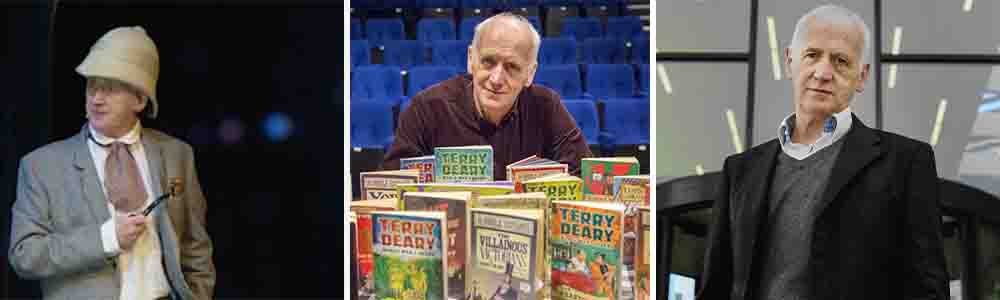
Terry Deary is a bestselling author best known for creating the Horrible Histories book series.He studied at Sunderland before going on to become one of the UK’s most successful children’s authors. His work is widely appreciated for bringing history to life in an enjoyable, engaging, and easy-to-understand way for young readers.
Terry Deary – Author
In addition, his stories have been turned into TV series and stage performances. His books have also sold in the millions across the world. As a result, his achievements reflect positively on the university’s influence in the fields of literature and education.
5. Ortis Deley – TV Presenter
Ortis Deley is a British television presenter known for hosting technology and entertainment shows. He studied at Sunderland and later built a career in broadcasting. He has presented programs such as The Gadget Show, where he explained modern technology to a wide audience.

Ortis Deley – TV Presenter
In addition, he has worked on the radio and various media platforms. His career reflects the university’s strong focus on practical media training and communication skills.
6. Goldie Harvey – Musician
Goldie Harvey was a Nigerian singer and entertainer who gained international fame. She studied business at Sunderland before entering the music industry. She became well known for her unique style and stage presence.

Goldie Harvey – Musician
Moreover, she gained further recognition after participating in Big Brother Africa. Her career shows how the university attracts international students and supports global talent in creative fields.
7. Tony Lawson – Economist
Tony Lawson is a respected economist and philosopher who has made important contributions to economic theory. After studying at Sunderland, he went on to work at the University of Cambridge. His research focuses on social theory and the philosophy of economics.
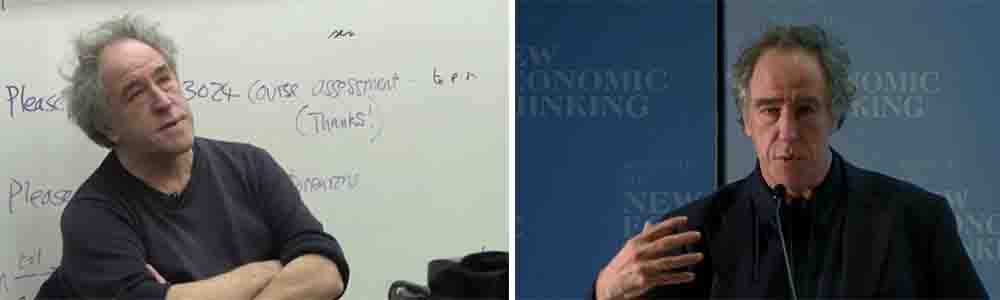
Tony Lawson – Economist
Furthermore, his academic work has influenced modern economic thinking. His success highlights the university’s strength in academic research and intellectual development.
8. Carl I Hagen – Politician
Carl I. Hagen is a prominent Norwegian politician who served as the Vice President of the Norwegian Parliament. He studied at Sunderland during his early academic years. He later became a key figure in Norwegian politics and played an important role in shaping national policies.
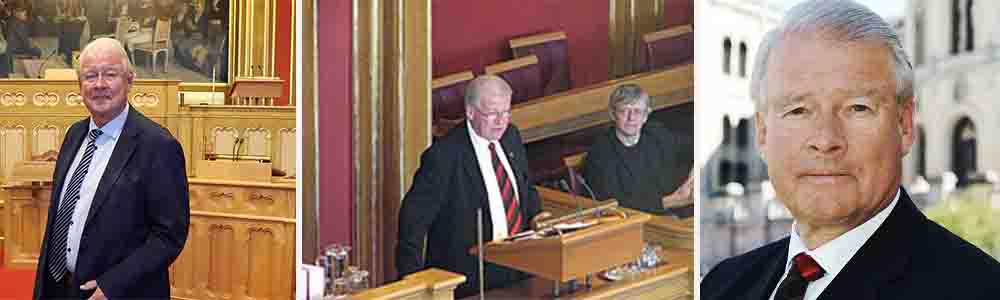
Carl I Hagen – Politician
His international political career shows the global reach of the university and its ability to produce influential leaders.
9. Kerry Ann Christiansen – Actress
Kerry Ann Christiansen is a British actress known for her role in the television series Byker Grove. She studied at Sunderland and later entered the entertainment industry. Her work in television reflects the university’s support for performing arts and creative careers.

Kerry Ann Christiansen – Actress
Although her career is mainly within the UK, she remains a recognised figure in British television.
10. Richard Billingham – Photographer & Artist
Richard Billingham is a well-known contemporary artist and photographer. He studied fine art at Sunderland and later gained international recognition for his work, Ray’s A Laugh. This project presented a raw and realistic view of working-class family life.

Richard Billingham – Photographer & Artist
In addition, his work has been exhibited in major galleries around the world. His artistic success highlights the university’s strength in visual arts and creative expression.
4. Sub Campuses of the University of Sunderland
The University of Sunderland operates as a multi-campus university. Its main campuses are located in Sunderland, with additional learning centres and international locations. Each campus plays a specific role in delivering education and supporting students.
4.1 City Campus (Main Campus)
The City Campus is the main academic centre of the university. It is located in Sunderland city and hosts most of the university’s faculties and administrative services. This campus includes modern lecture theatres, libraries, laboratories, and student support facilities.
It is especially strong in business, law, engineering, computing, and social sciences. The campus also includes the Sir Tom Cowie Campus at St Peter’s, which focuses on media, tourism, and creative industries.
4.2 Sir Tom Cowie Campus at St Peter’s
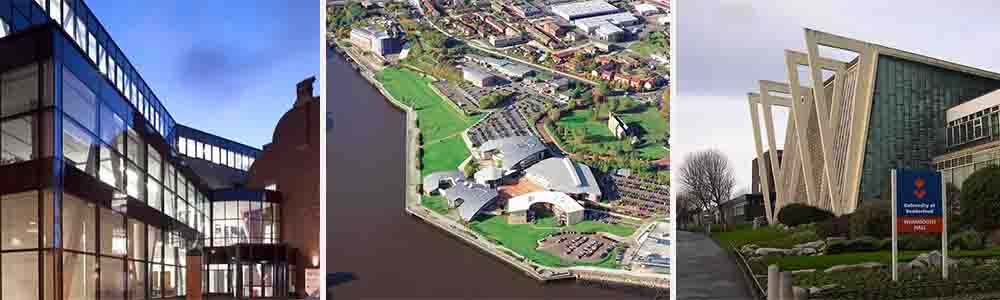
This campus is located near the River Wear. It is a modern riverside campus known for media, tourism, and computing programs. It includes advanced media studios, computer labs, and creative spaces.
Students studying journalism, film production, and digital media often use this campus. It is designed to support practical and industry-based learning.
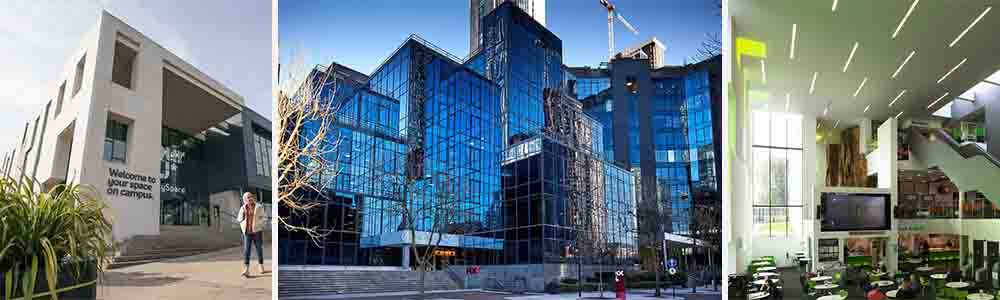
Sub Campuses of the University of Sunderland
4.3 London Campus
The London Campus is located in central London. It focuses mainly on business, finance, healthcare, and tourism-related programs. It is designed for international students and working professionals.
Because of its location, students have access to job opportunities, internships, and industry exposure in London. This makes it a popular choice for career-focused education.
4.4 International Learning Centres
The university also operates international learning partnerships in countries such as Hong Kong and other global locations. These centres deliver selected programs and support international education access.
These campuses help the university maintain its global presence and attract students from different countries.
Read More:
City Campus (Main Campus) of the University of Sunderland (part 2)

Study Overseas details for University Articles