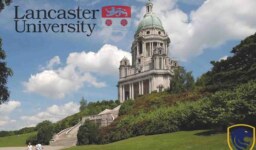
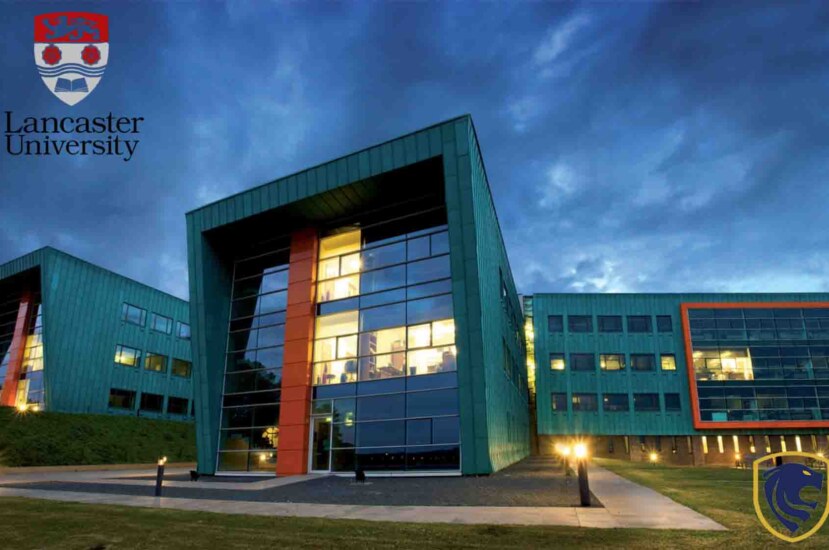
The Main UK Campus of Lancaster University is at Bailrigg, which witnessed the university’s founding as its primary campus. Bailrigg is about 4 km south of Lancaster city centre, Lancashire, North West England. This university is a 578-acre collegiate campus organised into 8 undergraduate colleges plus a Graduate College and 4 academic faculties.
Moreover, this is the original campus dating back to 1964, the site on which all of Lancaster’s international reputation and rankings are built, and the place where its distinctive “college life” model was born. This article covers faculties and programs, campus history and function, the history of Lancaster city itself, key buildings and infrastructure, and the local climate.
4.1.1 Faculties and Programs Available at the Main Campus
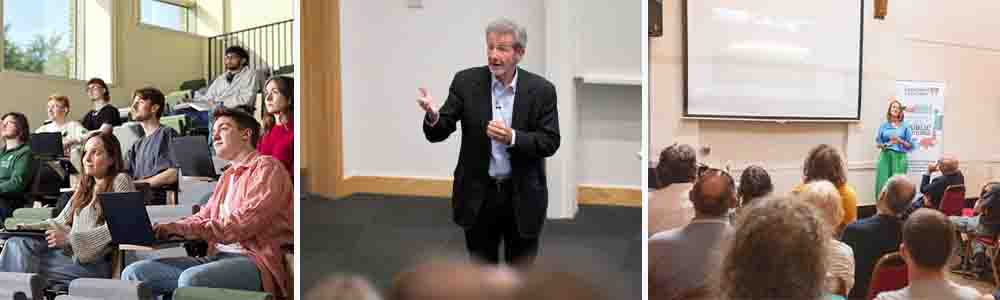
The University of Lancaster offers over 300 undergraduate courses across 4 faculties. Students can also study additional minor subjects alongside their main degree in many programmes. So, there is a flexible curriculum feature that Lancaster is known for. There are four main faculties, such as the Faculty of Humanities, Arts and Social Sciences; the Faculty of Science and Technology; the Faculty of Health and Medicine; and the Lancaster University Management School (LUMS). Each of these is led by a Dean and comprises multiple departments and research institutes.
Faculty of Humanities, Arts and Social Sciences
School of Arts offers degrees in Architecture, Arts Management, Creative Writing, Design, English Literature, Film, Fine Art, Media, and Theatre. This faculty is housed within the Lancaster Institute for the Contemporary Arts. In addition, the School of Global Affairs offers degrees in Global Languages and Cultures, History, International Relations, Philosophy, Politics, and Religion.
Faculties and Programs Available at the Main Campus
Also, the School of Social Sciences offers degree programs in Criminology, Educational Research, Linguistics and English Language, Social Work, and Sociology. In addition, Lancaster University Law School, which is situated as a separate department within this faculty, offers law degrees to students. This is the home to the leading collection of works by John Ruskin (1819–1900), the writer, artist, and social thinker.
Faculty of Science and Technology
Under this faculty, there are several departments such as Chemistry, Engineering, Mathematics and Statistics, Physics, Psychology, and Natural Sciences, representing a broad scientific base.
School of Computing and Communications (SCC) is under the faculty of science and technology. In addition, this faculty consists of the Lancaster Environment Centre, which covers Biological Sciences, Environmental Science, and Geography.
Faculty of Health and Medicine

Faculties and Programs Available at the Main Campus
Lancaster Medical School offers the 5-year MBChB medicine degree, established in 2006, and first graduated its own independent cohort in 2013. There are some divisions under this faculty, such as the Division of Biomedical and Life Sciences and the Division of Health Research.
Lancaster University Management School (LUMS)
This was established as a school in 1969, though its founding departments, marketing and operational research, date back to the university’s 1964 founding. This operational research department was the first such department in Europe. Now this faculty includes departments such as Accounting and Finance, Economics, Entrepreneurship Strategy and Innovation, Leadership and Management, Management Science, Marketing, Organisation Work and Technology. Moreover, this faculty offers undergraduate, postgraduate, MBA, and PhD programmes.
4.1.2 History & Functions of the Main Campus
The idea of Lancaster University was proposed in 1947 and revived in 1961 by the Lancashire County Council. Then, the Royal Charter was granted on 14 September 1964. The First batch of the campus consisted of 330 students. They were taught temporarily at St Leonard’s House in Lancaster city centre before the permanent campus was ready.
Move to Bailrigg
The university site had 300 acres initially, at Bailrigg, chosen as the university’s permanent home. The construction and move took place gradually between 1966 and 1970, as departments and colleges were completed. Originally, there were four colleges such as Bowland, Lonsdale, Cartmel, and County. Then, another five more were added by 1990, which were Furness, Fylde, Pendle, Grizedale, plus a Graduate College.

History & Functions of the Main Campus
Function of the college system
Today, these college buildings house some academic departments but are primarily social and residential facilities. Each college has its own bar, run as part of the university’s Commercial Services.
This structure functions similarly in spirit to older collegiate universities like Durham or Oxbridge, giving students a smaller “home” community within the larger university.
4.1.3 History of Lancaster
Roman and early origins
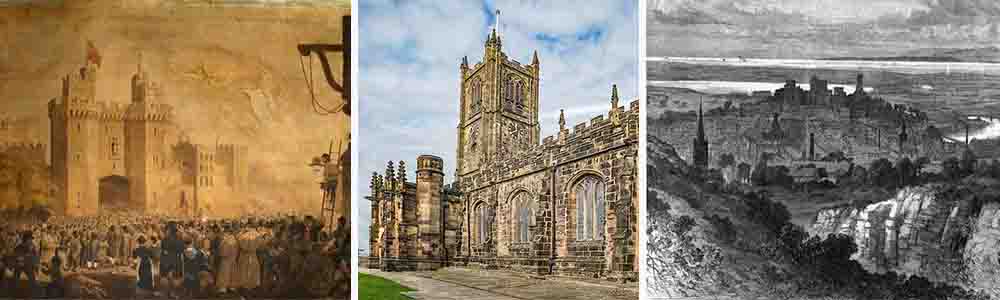
Romans built a fort on Castle Hill in the early-mid 70s AD and rebuilt it at least six times before it was abandoned in the early 5th century. The fort’s remains lie beneath the present-day Castle and Priory.
The city’s first recorded name is “Lancastre,” meaning “Roman fort on the River Lune,” recorded in the Domesday Book in 1086. It shows the city’s name is literally derived from this Roman military history.
Also, a Saxon monastery may have existed on the same site as early as the 8th century, before the Norman Conquest.
Norman period and the Castle
Roger of Poitou, an Anglo-Norman knight, built a castle mound at Lancaster around 1093 and founded the neighbouring Priory of St Mary in 1094. This Priory was built on the site of an earlier Anglo-Saxon church.
Lancaster granted its first borough charter in 1193 by John of Mortain. Moreover, the town was twice damaged by Scottish invasions, in 1322 and 1389. It shows Lancaster’s strategic, contested position near the Scottish border region during the medieval period.
History of Lancaster
Lancaster Castle’s later history
This castle was used as a prison from 1196 onward, with this role becoming especially significant during the English Civil War. Later, the castle hosted the infamous 1612 Pendle Witches trial, a well-known event in English witch-trial history.
It remained a working prison (HM Prison Lancaster) until 2011, after which it was returned to the Duchy of Lancaster management and opened more fully to the public. Today it’s a heritage site with a café, piazza, and cloistered areas)
Notably, part of the Castle complex is now leased to Lancaster University as a small city-centre campus with conference facilities.
Trade and growth
In 1688, six trade companies were incorporated in Lancaster as it grew into a market centre, reflecting its economic development in the early modern period.
This city was granted city status in 1937, making it a comparatively late official “city” designation despite Lancaster’s much older historic importance as the county town of Lancashire.
4.1.4 Infrastructure & Facilities at the Main Campus
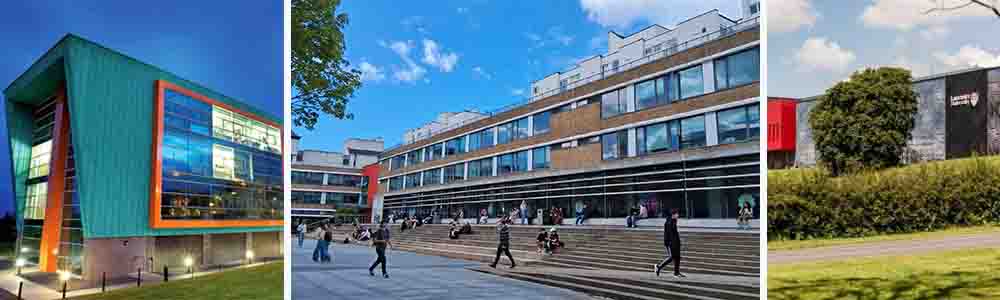
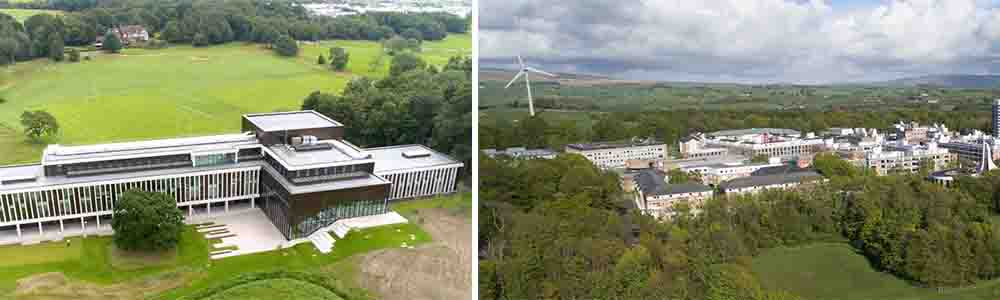
Lancaster University is located in a 578-acre parkland site. So, the campus includes sports fields, conference facilities, cafés, catering, and its own on-site services.
The Great Hall Complex
This building is located at the north end of campus, comprising three combined venues, which are the Peter Scott Gallery, the Nuffield Theatre, and the Lancaster International Concert Series. Originally, these were three separate organisations, unified under one department in 2009.
Then, it was rebranded in 2015 to “Lancaster Arts at Lancaster University”. Today, this building is used as a public arts venue open to both students and the wider community, which hosts exhibitions, theatre, and concerts.
The Library
The library of Lancaster University is located at the heart of the campus and is open to both university members and the public. This library houses material connected to John Ruskin, the 19th-century writer, artist, and radical thinker, which reflects the university’s broader academic strength in Ruskin studies.
George Fox Building
Infrastructure & Facilities at the Main Campus
This is home to the university’s largest lecture theatre on campus, seating 350, plus six additional large flexible rooms for meetings, talks, and events. Also, it contains student accommodation on its upper floors (C and D floors), refurbished with en-suite rooms, communal kitchens, and common rooms.
Part of Lancaster’s accommodation offer that’s won “Best University Halls” in the National Student Housing Awards eight times since 2010.
LICA Building
LICA building is home to the Lancaster Institute for the Contemporary Arts and Imagination, Lancaster, the university’s design research lab. It supports the School of Arts subjects: architecture, art, design, film, and theatre.
Lancaster Environment Centre
This was founded in 2007 as a joint investment costing over £35 million. It is an interdisciplinary centre for teaching, research, and collaboration. It is used as the home to Biological Sciences, Environmental Science, and Geography teaching and research.
Infrastructure & Facilities at the Main Campus
Health Innovation One
This center contains the Clinical Anatomy Learning Centre, Faculty of Health and Medicine offices, and Lancaster Medical School facilities. It is a modern, purpose-built home for the university’s health and medicine teaching.
4.1.5 Weather in Lancaster
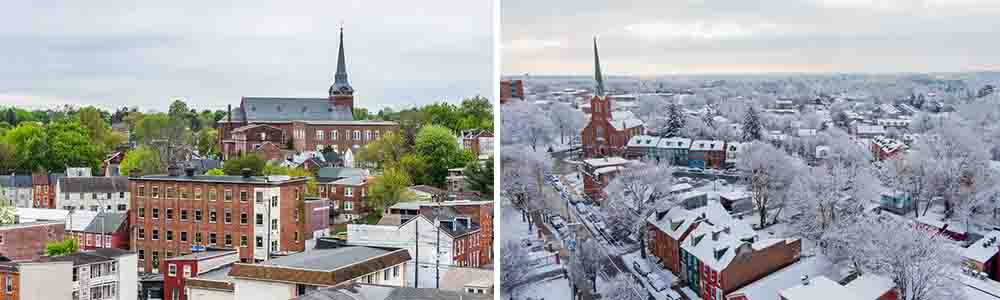
The Lancaster area has a Marine West Coast climate. So, there are mild, temperate conditions, with rainfall occurring even in typically “dry” months. The warmest month is July, with the average temperature around 19°C (66°F), and the coldest month is February, averaging around 3–4°C (37–39°F).
Weather in Lancaster
The annual rainfall figures vary noticeably by source, ranging from roughly 984 mm up to 1,396 mm per year. And the wettest month is December, with rainfall figures cited between 118–148 mm depending on the source.
In contrast, the driest month is April, with generally cited rainfall around 74–82 mm.
4.1.6 Transportation & Airports Closest to the Main Campus
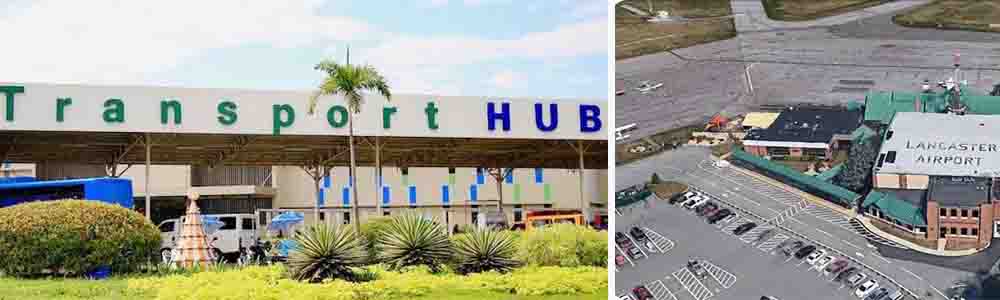
The Lancaster train station is a 5-minute walk from the city centre. Also, it can be reached by a short bus ride from the university campus itself. There are direct rail links connecting Lancaster to many of the UK’s major cities and airports.
Direct hourly rail link between Manchester Airport and Lancaster, journey time just over an hour. It is one of the most convenient airport-to-campus rail connections in the UK.
In addition, there are daily scheduled coach services run from Lancaster University’s own on-campus bus station to destinations across the UK, operated by FlixBus.
Moreover, multiple local bus stops are located directly on campus, with a direct cycle route also connecting campus to the city centre.
Main campus sits just off the M6 motorway at Junction 33, then north on the A6. A6 is the primary road route used by most visitors and students driving in.
Transportation & Airports Closest to the Main Campus
Nearest airports
Manchester Airport (MAN) is the main international airport for Lancaster, about 70 miles away. It is roughly 1 hour by car, or about 1 hour 15–24 minutes by direct train.
Also, Lancaster University even runs a coach shuttle service from Manchester Airport to campus on key dates. Those dates include Arrivals Weekend and the start of the academic year.
Liverpool John Lennon Airport (LPL) is a secondary option. Getting there involves a shuttle bus or taxi to Liverpool Lime Street, then a train with a change at Wigan North Western.
Leeds Bradford Airport (LBA) is sometimes used as a further alternative, reachable by train.
4.1.7 Student Life at the Main Campus
Entertainment
The campus is 3 miles from Lancaster city centre. So, students can easily reach entertainment venues by bus, car, bike, or on foot. Lancaster city itself offers museums, theatres, cinemas, and the historic Lancaster Castle, alongside a lively high street of restaurants and shops.
LUSU (Lancaster University Students’ Union) hosts year-round events on campus, from outdoor cinema nights to festive markets. In addition, there is the Roses Tournament, which is an annual, whole-weekend sports and social event competing against rival University of York. This is a major fixture in the Lancaster social calendar.
Sports facilities

Student Life at the Main Campus
Sport Lancaster is the university’s main sports centre. Originally, it was a small sports hall built in 1964, now upgraded with over £25 million in investment. Also, it is open to students, staff, and the wider Lancaster community.
Facilities in Sport Lancaster include an 8.5m climbing wall, two multi-functional sports halls, a 25m swimming pool, a sauna and steam room, two fitness studios, and a 100-station multi-floor gym with a dedicated strength and conditioning room.
Moreover, Lancaster University Boat Club (LUBC) is the oldest sports club at the university. It was founded in 1964 alongside the university itself.
Clubs & societies
Over 200 student-run clubs and societies, covering sports, craft, academic, and cultural interests (one of the largest society offerings of any UK university, reflecting the scale of the main campus)
Moreover, the LUSU (the Students’ Union) oversees all clubs, societies, and college-based activities, and represents students through elected officers (a genuinely student-led governance structure)
4.1.8 Night Life Near the Main Campus
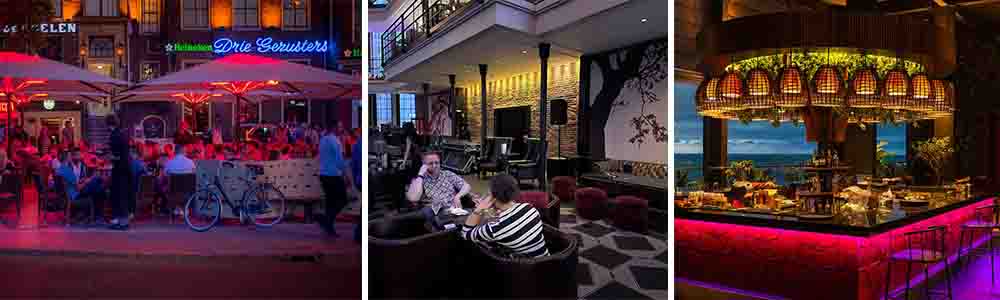
The Sugarhouse is Lancaster’s biggest nightclub, run entirely by LUSU. Also, it is open exclusively to students. It was established in 1982, making it a genuinely long-standing Lancaster institution. It has spread over two floors, with themed weekly nights and a rotating lineup of past guest DJs, including Rudimental, Sigala, and Lethal Bizzle.
Mint Bar is a stylish cocktail bar, popular as a pre-club drinks spot. This venue is well known for cocktail specials and themed nights, creating a lively pre-going-out atmosphere.
Night Life Near the Main Campus
Glow is a nightclub with two rooms and a diverse music selection located at 1A Mary Street, Lancaster city centre. It has an energetic, dance-focused atmosphere and offers student entry and drink discounts.
4.1.9 Accommodation for Main Campus Students
University halls of residence (on campus)
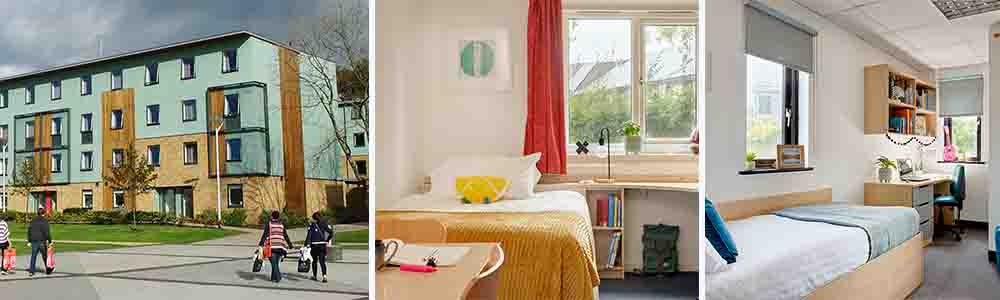
Accommodation is organised through the college system. So, students live within their assigned college’s halls. Also, the majority of accommodation is available in Bowland, County, Furness, Grizedale, and Pendle Colleges. They are single bedrooms with private or shared bathrooms and a shared kitchen (from roughly £177 per week on a 40-week contract, 2026/27 rates).
Lancaster has won “Best University Halls” at the National Student Housing Awards eight times since 2010.
Accommodation for Main Campus Students
Off-campus (private, university-approved)
Bayt Student Accommodation is an approved private provider in Lancaster city centre. They offer a range of properties with convenient access to shops, restaurants, and nightlife.
St Leonard’s House is another private provider, notably located in the same historic building where Lancaster’s very first students were taught back in 1964.
4.1.10 Medical Services & Nearest Hospitals
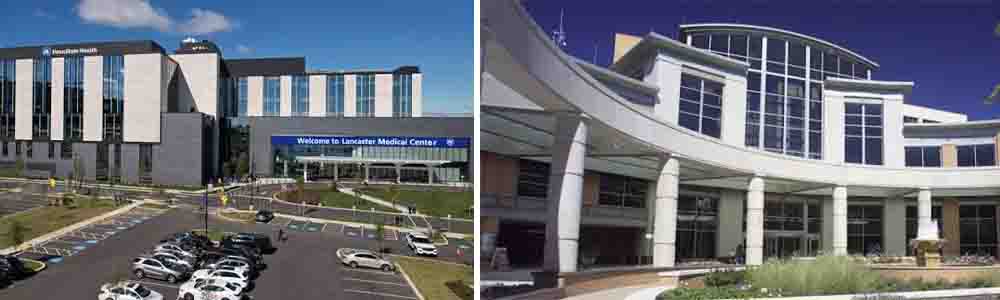
Students are advised to register with a local GP within their first few weeks at Lancaster. Also, Royal Lancaster is the nearest hospital located in the south of Lancaster city centre. It is located between the A6 road and the Lancaster Canal. This hospital is managed by University Hospitals of Morecambe Bay NHS Foundation Trust.
Medical Services & Nearest Hospitals
It currently has facilities such as 387 beds, including a full Accident & Emergency department.

Study Overseas details for University Articles
Read More:
- Lancaster University England UK (Part 1)
- Lancaster University; Main UK Campus (Part 2)
- Lancaster University Leipzig – Germany (Part 3)
- Lancaster University Ghana (LUG) (Part 4)
- Lancaster University College at Beijing Jiaotong University – China (Part 5)