
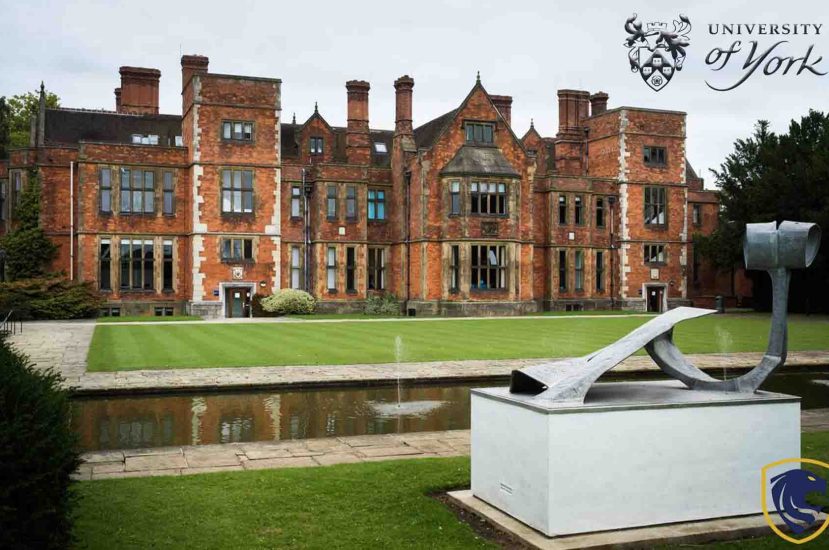
The University of York, England, is a leading research-intensive university in the United Kingdom, established in 1963 in the historic city of York. It is a member of the prestigious Russell Group of research universities and is internationally recognised for academic excellence and high-quality research. This university holds a strong reputation for teaching, innovation, and student satisfaction. Now it has grown into an academic institute that teaches students from more than 150 countries.
1. History of the University
Foundation and Early Development
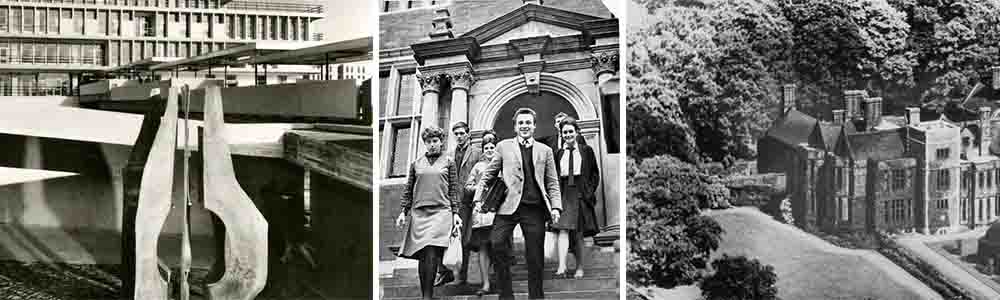
The University of York is a prominent university in the UK, which was established in 1963 as part of the expansion of higher education in the UK. This university was established with fewer than 250 students and only a small number of academic departments. The university was founded with a strong vision of research-led teaching and interdisciplinary learning, which still defines it today.
The University of York is located in the historic city of York. So, the institution benefited from a culturally rich academic environment.
Campus and Collegiate System
The university adopted a collegiate system, similar to older universities like Oxford and Cambridge. The main campus of the university is known as Heslington, and was built on parkland, offering a modern learning environment blended with nature. Over time, the campus expanded into Campus East, reflecting growing student numbers and research activities.
History of the University
Growth and Expansion
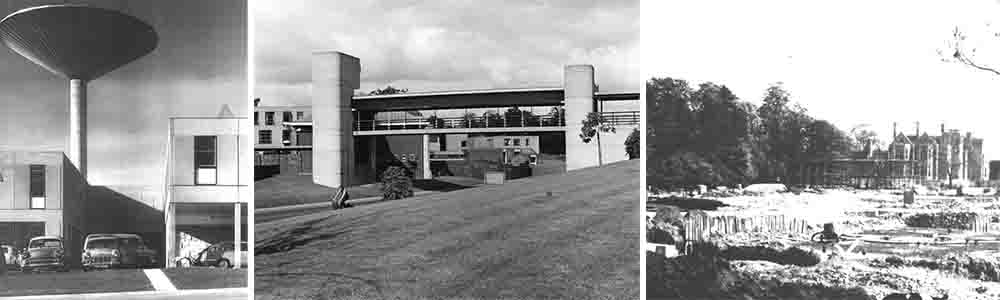
The University of York rapidly expanded from the 1960s onwards, increasing its student population and developing new faculties, including science, social sciences, and management. Later, it became a member of the prestigious Russell Group, representing leading UK research universities.
Moreover, the university established world-class research centres, including the Centre for Health Economics, the Centre for Applied Human Rights, and the Academic Development Centre. In addition, York gained a strong reputation for Innovative teaching methods such as small group teaching, seminars, and interdisciplinary programs. Also, it developed strengths in subjects such as social policy, archaeology, English, and Psychology. The university emphasised critical thinking and independent learning, shaping its academic identity.
Research Excellence
Research has always been central to York’s mission. So, it exhibits a strong performance in the Research Excellence Framework (REF) and has ranked highly for research impact and quality. Research outputs have influenced public policy, healthcare systems, and social sciences globally.
History of the University
Milestones and Achievements
The University of York was awarded the “University of the Year” by Times Higher Education in 2010. It is well recognised for combining academic excellence and social inclusion. It is ranked among the best universities under 50 years old globally (2014).
Today, the University of York has developed into a globally recognised research university and has become the home to students from over 150 countries.
2. Rankings and Recognitions of the University
Global Rankings
In 2026, the University of York was ranked 193rd in the world by EduRank. It is consistently placed within the top 200 universities globally.
QS World University Rankings has ranked this universiry round 162–184 range globally in recent years. Moreover, they have ranked it 29th globally for sustainability in 2024.
UK Rankings
The University of York was ranked 20th in the UK by EduRank in 2026. This university appears consistently in the top 20–21 UK universities across major league tables such as The Times, The Guardian, and Complete University Guide.
Rankings and Recognitions of the University
Subject Rankings
Major subjects rank in the top 10 in the UK, including Archaeology, Psychology, English, and Chemistry. According to the Complete University Guide 2026, the University of York’s History has been ranked 8th in the UK. Also, according to QS Rankings 2025, this university has ranked 100 globally for History.
Research Rankings and Impact
The University of York has shown a strong performance in REF 2021, achieving a high ranking for research quality and impact. It has also been recognised as a top 10 UK university for research quality in various assessments. Due to its excellent performance, in research, it is ranked in the top 100 globally across multiple research topics.
Teaching Excellence
Rankings and Recognitions of the University
The University of York has received multiple awards recognising its teaching excellence, including the Gold rating in the Teaching Excellence Framework. The University’s academic curricula are well known for high student satisfaction, strong academic support, career-focused education, and successful graduate Outcomes and Employability. Around 93.5% of York University graduates are employed or in further study within 15 months.
In addition, the University of York has received awards such as University of the Year from Times Higher Education in 2010 and the title of top young university globally in 2014.
| Year | Complete University Guide (UK) | Guardian University Guide (UK) | Times Higher Education (World) |
|---|---|---|---|
| 2026 | 12 | 38 | 154 |
| 2025 | 17 | 25 | 146 |
| 2024 | 17 | 19 | 147 |
| 2023 | 20 | 21 | 139 |
| 2022 | 19 | 18 | 151 |
| 2021 | 22 | 22 | 133 |
| 2020 | 30 | 20 | 16 |
| 2019 | 21 | 12 | 16 |
| 2018 | 20 | 17 | 17 |
| 2017 | 20 | 19 | 18 |
3. Alumni of the University
Harriet Harman
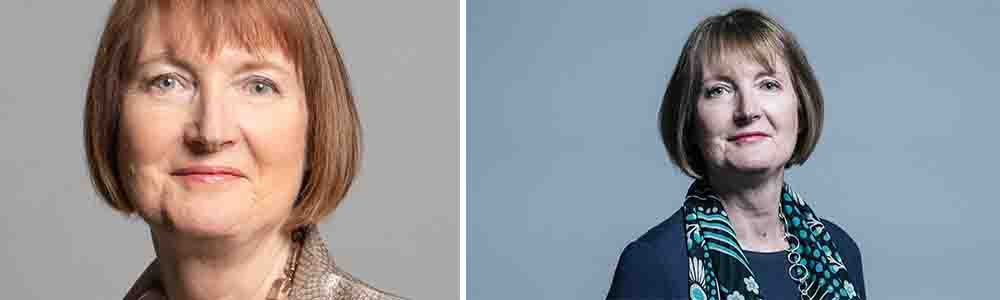
Harriet Harman is one of the most influential female leaders in British politics. She studied at the University of York before entering British politics. Harman served as the Deputy Leader of the Labour Party for several years. Moreover, she held important ministerial positions related to equality and social welfare. Throughout her political career, she strongly supported women’s rights and gender equality.
Harriet Harman
Furthermore, Harman worked on laws and policies connected with equal pay and human rights, and she became widely respected for encouraging more female participation in politics. Her achievements reflected the university’s contribution toward producing leaders in public service and governance.
Greg Dyke
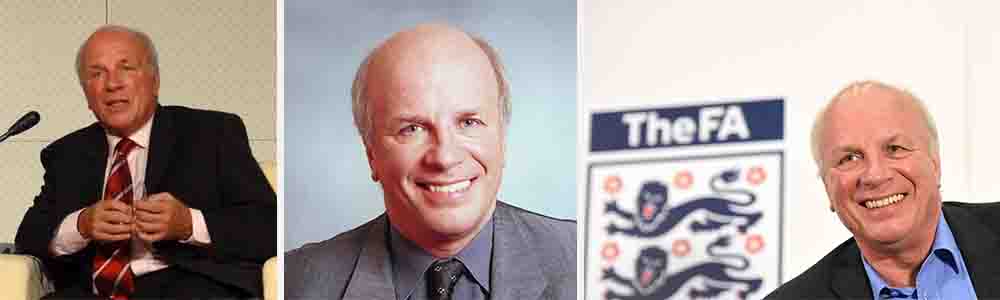
Greg Dyke graduated from the university and entered the media industry. Later, he became the Director-General of the BBC, the national broadcasting organisation of the UK. Dyke introduced several reforms to modernise television and radio broadcasting. He focused on improving public engagement and making media more accessible. Moreover, his leadership helped strengthen the BBC’s relationship with audiences.
Greg Dyke
Apart from broadcasting, he also contributed to journalism and sports administration. Furthermore, Dyke became one of the most recognised media executives in Britain. His career demonstrated the university’s influence on the communication and media sector.
Harry Enfield
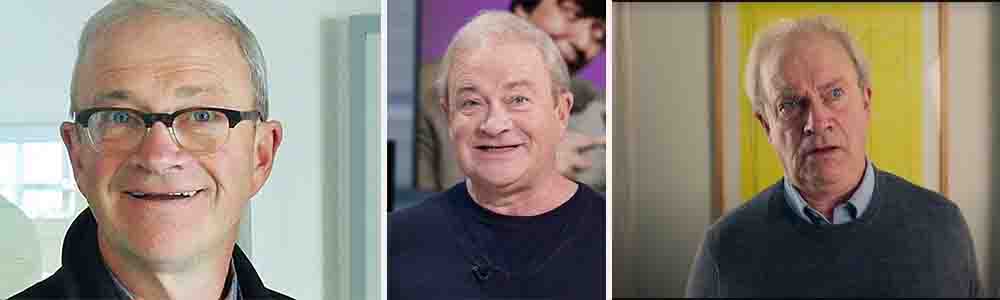
Harry Enfield is a well-known comedian who attended the university before becoming a successful comedian and actor. He gained popularity through comedy television shows watched across the UK. Enfield became famous for creating humorous characters based on British society and culture.
Harry Enfield
Moreover, his comedy often included satire and social commentary. He also worked as a writer and television producer in the entertainment industry. Enfield’s performances made him one of the best-known comedians in Britain. His creative success highlighted the university’s connection with arts and entertainment. He remains one of the most recognisable celebrity alumni of the university.
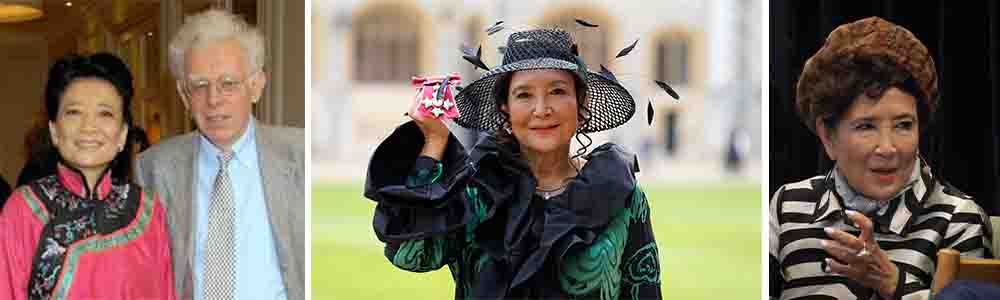
Jung Chang
Jung Chang studied at the university and later became an internationally recognised writer. Her writings passed a major milestone when she published the book Wild Swans. This book describes the lives of three generations of women in China. Her writings provided insight into Chinese history, politics, and society.
Jung Chang
Moreover, the Wild Swans was translated into many languages and read worldwide. Also, Chang later wrote additional books related to Chinese political history. Her literary achievements strengthened the university’s international academic reputation. Because of her masterpieces, she became an important figure in modern literature and historical writing.
Anibal Cavaco Silva
Aníbal Cavaco Silva is a prominent graduate of the University of York who later became both Prime Minister and President of Portugal. Silva played a major role in Portugal’s economic modernisation and development. Also, his leadership focused on improving infrastructure and economic stability.

Anibal Cavaco Silva
He also gained international recognition for political and economic reforms. Silva contributed greatly to Portugal’s position within Europe, and his achievements brought global recognition to the university. He represented the university’s connection with international political leadership.
Helen Sharman
Helen Sharman became associated with the university through scientific collaborations, and she became the first British astronaut to travel into space in 1991. Sharman participated in a mission to the Mir space station.

Helen Sharman
Moreover, her achievements inspired many students to pursue careers in science and technology. Later, she became involved in science communication and educational programs and promoted STEM education among young people. Her success reflected the university’s support for scientific excellence and innovation. So, she remains an important figure in British space exploration history.
Jane Hill
Jane Hill graduated from the uYork University of York before entering journalism. Later, she became a respected BBC news presenter and journalist. Hill reported on major national and international news events and became recognised for presenting live news broadcasts and interviews. Moreover, her professionalism earned her a strong reputation in the British media.

Jane Hill
Hill contributed significantly to journalism and public communication, and her career demonstrated the university’s role in developing communication skills. So, she remains one of the well-known media personalities linked with the institution.
Victoria Coren Mitchell
Victoria Coren Mitchell is a successful writer, television presenter, and journalist who studied at the University of York before becoming a public figure. Coren Mitchell gained popularity through quiz shows and newspaper columns. She also wrote books and articles on various social and cultural topics.

Victoria Coren Mitchell
In addition to media work, she became famous in professional poker competitions, and her achievements showed versatility across different professional fields. Coren Mitchell became one of the most recognisable female public figures in Britain, and her success reflected the diverse opportunities available to university graduates.
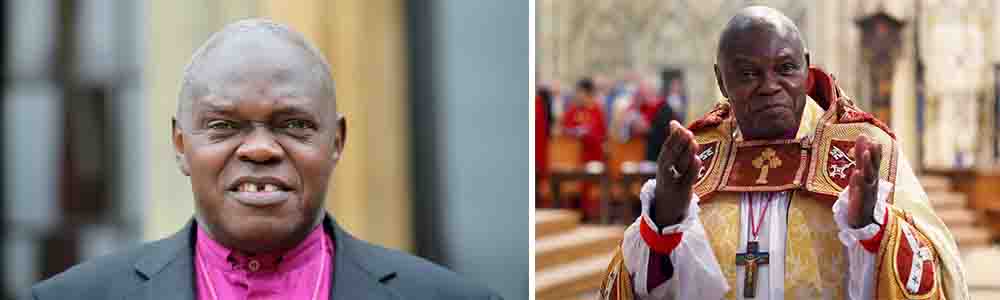
John Sentamu
John Sentamu became connected with the university through academic and public engagements. Later, became the Archbishop of York, one of the highest positions in the Church of England. Sentamu became widely respected for speaking about social justice and equality. Also, he often addressed issues related to human rights and community harmony.
John Sentamu
As he is originally from Uganda, he also spoke about political oppression and social challenges. So, his leadership extended beyond religion into social and community development. Moreover, Sentamu strengthened the university’s association with ethical and social values. So, he remains an influential religious and public leader in the UK.
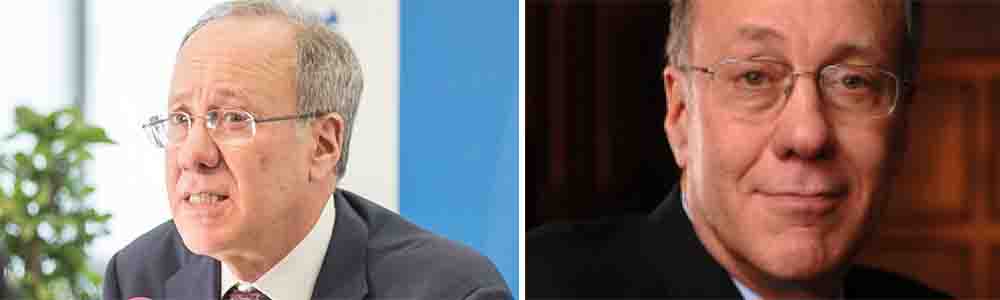
Roger Myerson
Roger Myerson did his degree at the University of York in economics. He later received the Nobel Prize in Economics for mechanism design theory. His research influenced economics, political science, and public policy.
Roger Myerson
Myerson’s theories became important in understanding decision-making and market systems, and he gained international recognition as a leading economist and scholar. Also, his work contributed greatly to modern economic research and game theory. Myerson’s achievements strengthened the university’s reputation in research excellence. He remains one of the most academically distinguished individuals linked with the institution.
4. Sub Campuses of the University of York
Heslington West Campus (Main Campus)
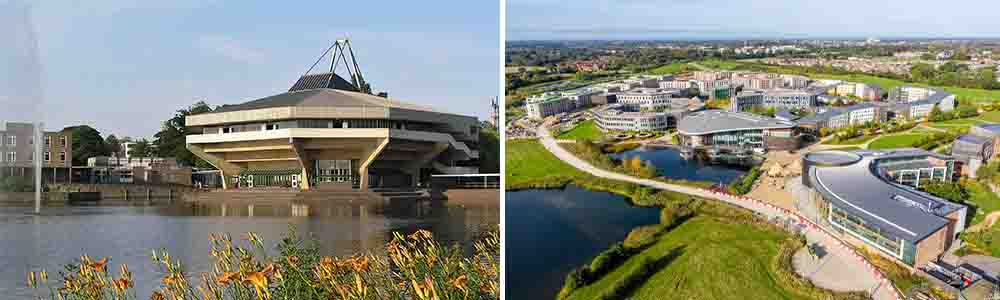
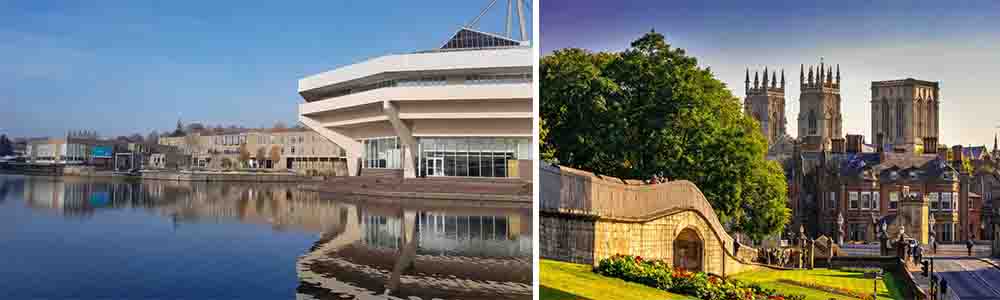
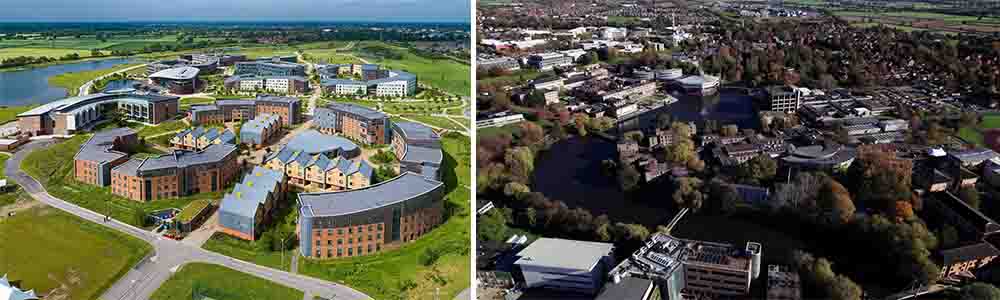
Heslington West Campus is the original campus, established in 1960. It is located near York with a large green parkland setting and a lake system. This campus is the central hub of university administration and houses the major humanities and social science departments.
Heslington West Campus contains the main library of the campus, which provides students with library facilities, study spaces, and archives. Moreover, the university site accommodates the student union building and the social activity centre.
Heslington West Campus (Main Campus)
In addition, the on-campus student accommodation clusters are built here with a pedestrian-friendly layout, placing a strong focus on community living and academic integration. As a whole, the Heslington West Campus presents an older architecture mixed with modern upgrades.
Heslington East Campus (Expansion Campus)
Heslington East Campus was developed due to student population growth as a newer, modern campus extension. This campus focuses on science, engineering, and business disciplines. So, the premises are equipped with advanced lecture halls, smart classrooms and research facilities such as labs and innovation spaces.
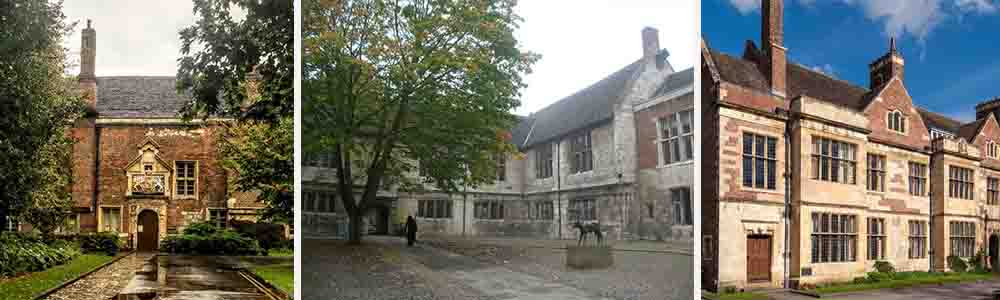
Heslington West Campus (Main Campus)
This university’s premises have an eco-designed infrastructure with a strong focus on sustainability and energy-efficient buildings with green construction.
King’s Manor (Historic Academic Site)
This campus site of the University of York is the historic building within the city centre of York. It was originally a royal heritage structure, and it was later integrated into the university system. This sub campus accommodates the archaeology department, which offers courses on medieval studies while giving opportunities for heritage research.
From this location, one can get close access to York City’s historical sites. So, students can go for field-based historical learning. This sub campus is a smaller academic setting compared to other sub campuses.
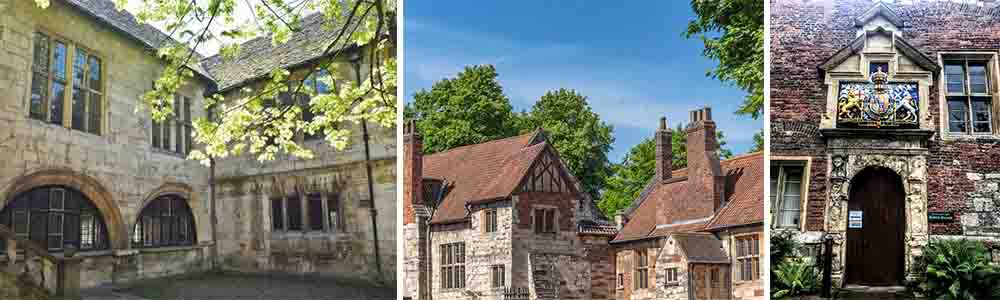
King’s Manor (Historic Academic Site)
International Collaborations / Global Learning Centres
In addition, the University of York provides overseas academic partnerships such as exchange programs, student mobility programmes such as study abroad options, and joint research projects with global universities.
Moreover, they offer credit transfer systems for international students, summer schools, and short-term academic visits. Furthermore, the university provides virtual learning collaborations via online teaching links and global research networks, such as multi-country studies.
Read More :
University of York – Heslington West Campus
Heslington East Campus, University of York, UK
King’s Manor (Historic Academic Site)
Study Overseas details for University Articles
https://shorturl.fm/V0SX2
I think this is one of the most important info for me. And i’m glad reading your article. But wanna remark on few general things, The website style is ideal, the articles is really great :D. Good job, cheers
https://shorturl.fm/UClvY
https://shorturl.fm/ifUly
https://shorturl.fm/EOMXo
https://shorturl.fm/3CH1v
https://shorturl.fm/awcfS
https://shorturl.fm/5IMRw
https://shorturl.fm/8Gtd7
https://shorturl.fm/JaQpT
https://shorturl.fm/aSOP5
https://shorturl.fm/0Hf7V
https://shorturl.fm/7Zzc1
https://shorturl.fm/NE5MJ
https://shorturl.fm/Ci7vv