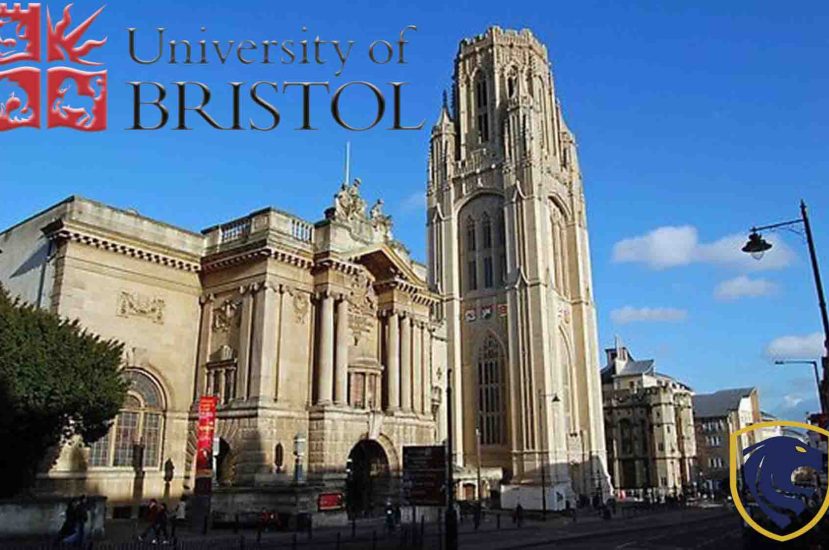
The University of Bristol is one of the most prestigious universities in the United Kingdom. It has a long and rich history that reflects both academic excellence and social progress. The origins of the university can be traced back to the late 19th century. It was officially founded in 1876, although its roots go even further back through earlier educational institutions in the city.
1. History of the University
From the beginning, the university was known for its progressive approach to education. One of its most important historical features is that it was the first higher education institution in England to admit men and women on equal terms. This was a major step forward at a time when women had limited access to higher education. Because of this, the university developed a strong identity based on equality and inclusivity.
Moreover, the development of the university was closely linked to the growth of the city of Bristol. During the late 19th and early 20th centuries, Bristol was an important centre for trade, industry, and innovation. Therefore, the university was established to provide education that would support economic and social development. Early programs focused on subjects such as engineering, science, and commerce, which were important for industrial growth.
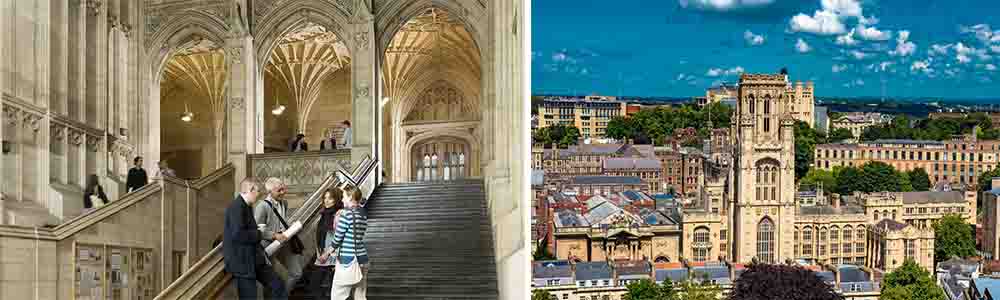
History of the University of Bristol
Royal Charter
In addition, the university gained its Royal Charter in 1909, which officially recognised it as a full university. This marked a major turning point in its history. After receiving this status, the university expanded rapidly in terms of academic programs, student population, and research activities. New faculties were introduced, and the institution began to attract students from across the UK and internationally.
During the 20th century, the University of Bristol continued to grow and strengthen its reputation. It played an important role during both World Wars, contributing to scientific research and technological development. For example, research conducted at the university supported advancements in engineering and defence technologies. Because of this, the university gained recognition for its contributions to national development.
Furthermore, the university became known for its strong research culture. It invested heavily in scientific research, particularly in fields such as physics, chemistry, and engineering. Over time, it produced groundbreaking discoveries and innovations. This research focus helped the university build a global reputation.
Post-war period
In the post-war period, the university expanded further by introducing new disciplines. Subjects such as social sciences, law, and health sciences became more prominent. Moreover, the university modernised its teaching methods and facilities to meet the needs of a growing student population. This period also saw increased international collaboration, which strengthened its global presence.
Another important development was the university’s role as a member of the Russell Group. This group represents leading research-intensive universities in the UK. Being part of this group highlights the university’s commitment to high-quality research and academic excellence. As a result, the University of Bristol is considered one of the top institutions for research in the country.
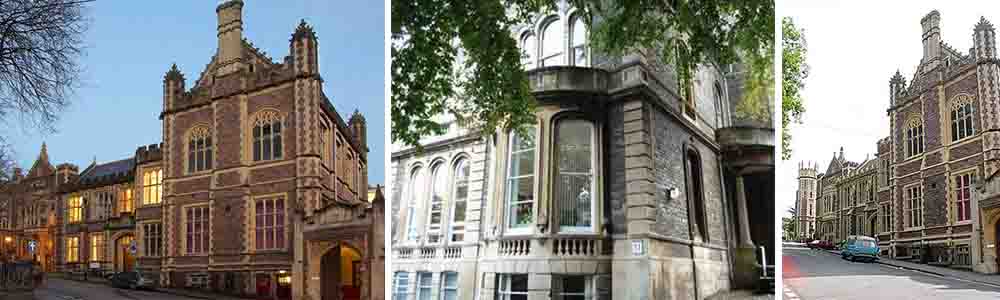
History of the University of Bristol
In recent years, the university has continued to evolve. It now offers more than 600 degree programs across various disciplines. These include undergraduate, postgraduate, and research degrees. Moreover, the university has invested in modern facilities, digital learning technologies, and sustainability initiatives.
For example, the university has taken a strong stance on environmental issues. It was one of the first universities in the UK to declare a climate emergency and commit to sustainable development. This shows its focus on addressing global challenges.
Today, the University of Bristol is recognised as a modern, forward-thinking institution. It combines a strong academic tradition with innovation and global engagement. Because of its history, the university has developed a reputation for excellence, inclusivity, and research impact.
2. Rankings and Recognitions of the University
The University of Bristol is widely recognised as one of the top universities in the world. It consistently appears in major global and national rankings, which reflects its strong academic performance and reputation.
According to recent data, the university is ranked among the top 100 universities globally. For example, it is placed around 51st in the QS World University Rankings 2026. This represents a steady improvement over recent years, as the university has climbed up from lower positions. Moreover, it is ranked within the top 10 universities in the United Kingdom, which highlights its national importance.
In addition, the university is ranked approximately 80th in the Times Higher Education World University Rankings 2026. This ranking considers factors such as teaching quality, research output, and international outlook. Because of its strong performance in these areas, the university maintains a competitive global position.
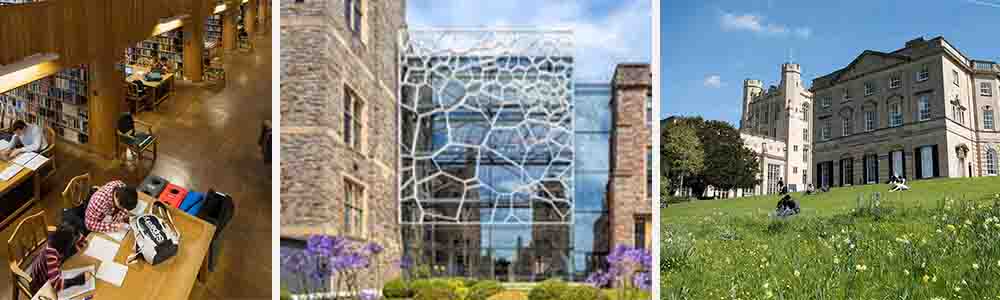
Rankings and Recognitions of the University
Furthermore, other ranking systems such as EduRank also place the university among the top institutions worldwide. For example, it is ranked 96th globally and 9th in the UK. These rankings are based on research output, citations, and academic reputation. Therefore, they reflect the university’s strong research impact.
Subject-specific rankings
Subject-specific rankings also highlight the university’s strengths. Many of its academic programs are ranked among the top in the world. For instance, several subjects such as geography, geology, and social policy are placed within the global top 20. Moreover, many other subjects are ranked within the top 100 worldwide. This shows that the university performs well across a wide range of disciplines.
In terms of research quality, the university is highly recognised in the UK. It is ranked among the top five universities for research excellence according to the Research Excellence Framework (REF). This indicates that a large proportion of its research is considered world-leading or internationally excellent.
Employability outcomes
The university is also known for its strong employability outcomes. It is one of the most targeted universities by top employers in the UK. This means that graduates from the University of Bristol are highly valued in the job market. Moreover, it is ranked among the top universities for graduate employability, which reflects the quality of its education.
Another important recognition is its contribution to innovation and entrepreneurship. The university has been recognised for having one of the best startup hubs in the UK and Ireland. This highlights its role in supporting business development and innovation.
In addition, the university has strong international recognition. It attracts students from around the world and maintains partnerships with global institutions. This international outlook contributes to its high rankings and reputation.

Rankings and Recognitions of the University
The university is also associated with several notable achievements. For example, it has connections with 13 Nobel Prize winners. This reflects its contribution to groundbreaking research and academic excellence.
Moreover, the university performs well in sustainability rankings. It has been ranked among the top universities globally for its environmental and social impact. This shows its commitment to addressing global challenges such as climate change.
Overall, the rankings and recognitions of the University of Bristol demonstrate its strong position in global higher education. It combines excellence in teaching, research, and employability. Because of this, it continues to attract high-quality students and staff from around the world.
3. Alumni of the University of Bristol (Famous Graduates)
The University of Bristol has built a strong reputation through the achievements of its alumni. Over the years, it has produced graduates who have made a major impact across different fields. These include politics, science, literature, business, and entertainment. Because of its research-driven teaching and global outlook, students develop both knowledge and practical skills. As a result, many graduates go on to become leaders and innovators. Moreover, the university’s alumni network is spread across the world, which further strengthens its international reputation.
Winston Churchill
One of the most historically significant figures connected to the university is Winston Churchill. Although his time at the university was brief, his later achievements made a lasting global impact. He became the Prime Minister of the United Kingdom during World War II and played a key role in leading the country through a difficult period. His speeches and leadership style are still studied today. Therefore, his association adds prestige and historical depth to the university’s legacy.
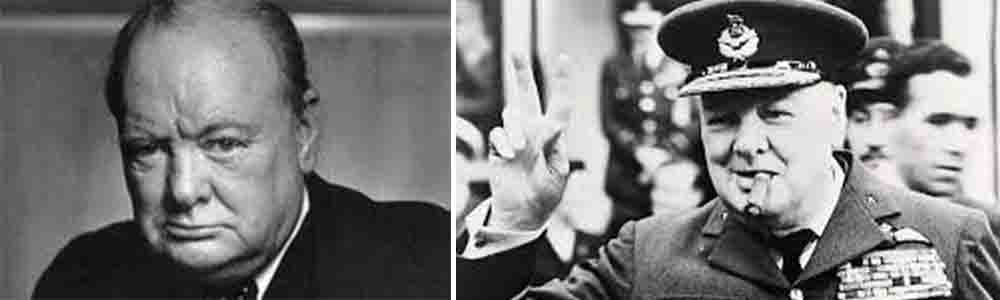
Winston Churchill
Paul Dirac
In the field of science, Paul Dirac stands out as one of the greatest alumni. He was a Nobel Prize-winning physicist who made groundbreaking contributions to quantum mechanics. His work helped shape modern theoretical physics, and many of his ideas are still used today. Because of his achievements, he is widely regarded as one of the most important scientists of the 20th century. His success highlights the university’s strong focus on scientific research and innovation.

Paul Dirac
Angela Carter
The university has also made a significant contribution to literature. Angela Carter is one of its most celebrated writers. She was known for her imaginative storytelling and strong feminist themes. Her work challenged traditional ideas and opened new directions in literature. Even today, her novels and short stories are widely studied. Similarly, David Nicholls gained international fame through his novel One Day. The book became a bestseller and was later adapted into a film and television series. His success shows how the university supports creative writing and storytelling.

Angela Carter
Matt Lucas
In the entertainment industry, the university has produced several well-known personalities. Matt Lucas is a popular comedian and actor who became famous through the show Little Britain. His unique style of comedy made him widely recognised in the UK and beyond. Moreover, Simon Pegg is another globally successful actor and writer. He is known for films such as Shaun of the Dead and the Mission: Impossible series. Both individuals demonstrate how creative talent developed at the university can lead to international success.

Matt Lucas
Thangam Debbonaire
In politics and public service, Thangam Debbonaire represents the university’s contribution to leadership and governance. She has served as a Member of Parliament and has been actively involved in shaping social and economic policies. Her work reflects a commitment to public service. In addition, James Blunt offers a different example of success. Before becoming a globally recognised musician, he served in the British Army. Later, his music career brought him international fame. His journey shows the diverse career paths that Bristol graduates can take.

Thangam Debbonaire
Cary Cooper
The university has also produced influential figures in business and science. Cary Cooper is a leading academic whose work focuses on workplace wellbeing and organisational behaviour. His research has influenced how companies manage employees and improve productivity. Furthermore, Kate Swann is a successful business leader who has held senior positions in major companies. Her achievements highlight the university’s strength in business education and leadership development.

Cary Cooper
Derren Brown
Another notable alumnus is Derren Brown. He is widely known for his work in psychological illusion and television. His performances combine elements of psychology, storytelling, and entertainment. Because of this, he has built a unique career that attracts global audiences. His success reflects the university’s ability to support creative and unconventional career paths.
In addition to these individuals, the university has many other distinguished alumni across various sectors. These include researchers, entrepreneurs, and public figures who continue to contribute to society. Moreover, many graduates maintain strong connections with the university, supporting current students through mentoring and networking opportunities.

Derren Brown
4. Sub Campuses of the University of Bristol
The University of Bristol does not operate many separate campuses like some universities. Instead, it follows a city-based campus structure within Bristol. However, it includes several key campus areas and specialised facilities that function like sub-campuses.
The main area is the Clifton Campus, which acts as the academic and administrative centre of the university. It is located in a historic part of the city and includes important buildings such as lecture halls, libraries, and faculty offices. Moreover, it is close to major landmarks, which creates a strong academic environment.
Another important area is the Langford Campus, which is located slightly outside the city centre. This campus is mainly used for veterinary science and animal-related programs. It includes farms, clinical facilities, and research centres. Because of this, it provides practical training for students in the veterinary and agricultural fields.
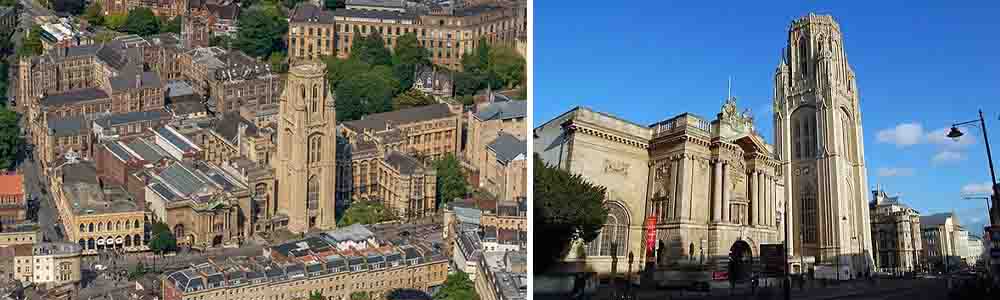
Sub Campuses of the University of Bristol
The university also operates the Temple Quarter Enterprise Campus, which is a newer development. This campus focuses on innovation, business, and digital technology. It aims to connect students with industry and support research that addresses real-world challenges. Moreover, it is designed to strengthen links between the university and the business sector.
In addition, there are several specialised research centres and facilities spread across the city. These include engineering labs, medical research centres, and innovation hubs. Although they are not separate campuses, they function as important parts of the university’s academic structure.
Overall, the University of Bristol uses a distributed campus model rather than traditional separate campuses. This allows students to experience the city while accessing different academic facilities. Because of this, students benefit from both a campus environment and the opportunities available in a major UK city.
Read more:
The Clifton Campus: Main Campus of the University of Bristol (part 2)

Study Overseas details for University Articles