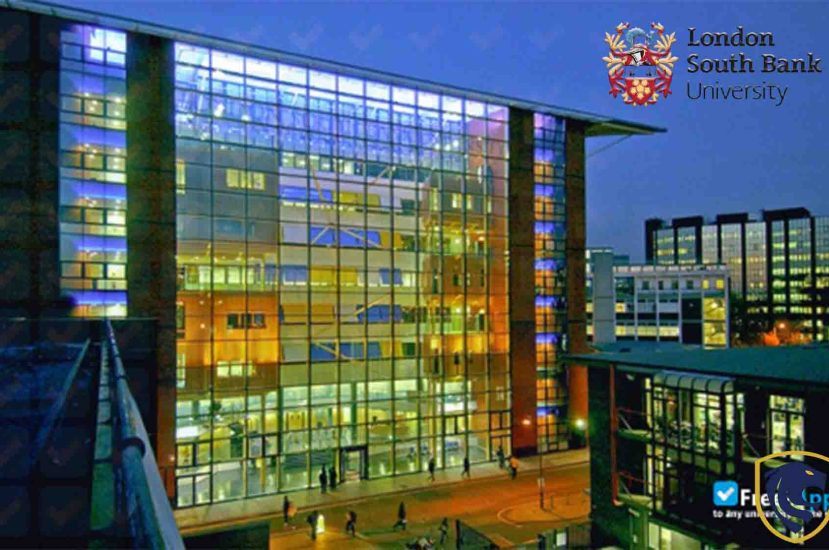
London South Bank University is situated in an academic hotspot in London. Students learn subjects such as architecture and quantity surveying, which are closely linked to the construction industry. Moreover, these programs are designed to meet industry standards, so they are often accredited by professional bodies. Because of this, graduates are well prepared for careers in construction, design, and urban development.
4.1.1 Faculties and Programs (Main Campus & Sub Premises)
• Main Campus – Southwark
The main university premises of the London South Bank University are located in London near the Elephant & Castle area, making it an urban academic hub. The main academic centre majority of faculties based here
• School of Engineering
They offer a Civil engineering degree, which focuses on construction and structural design. Moreover, they offer a well-structured mechanical engineering degree which focuses on manufacturing and thermodynamics. Electrical & electronic engineering covers areas such as power systems and robotics.
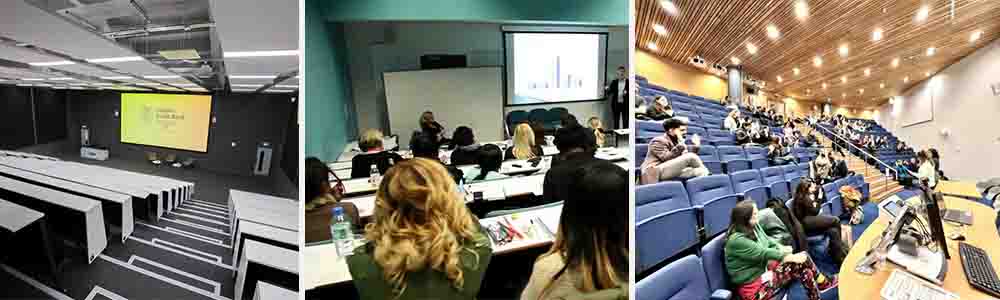
Faculties and Programs; London South Bank University
• The School of Health and Social
The School of Health and Social Care is one of the strongest faculties at the university. It offers nursing programs in different pathways, including adult, mental health, and child nursing. In addition, midwifery programs include clinical placements through the NHS, so students gain real hospital experience. Physiotherapy and other allied health courses are also available. Furthermore, public health and healthcare management programs focus on improving community health systems. The university provides strong clinical training through simulation labs and hospital placements, so students develop practical skills before entering the workforce.
• The School of Business
The School of Business offers a wide range of programs that focus on real-world business skills. Students can study business management, including areas such as human resources, marketing, and entrepreneurship. Moreover, accounting and finance programs are aligned with professional bodies like ACCA and CIMA, which improves career opportunities. In addition, international business courses help students understand global markets and trade. Hospitality and tourism management programs also prepare students for careers in service industries.
• The School of Arts and Creative Industries
The School of Arts and Creative Industries focuses on creative and media-based subjects. Film production is a key program, and it is closely linked with Elephant Studios, which provides practical experience. Moreover, students can study media and communication, photography, and digital arts. Music and sound design are also offered, so students can develop creative and technical skills. Because of these opportunities, students gain both theoretical knowledge and hands-on experience.
• The School of Law and Social Sciences
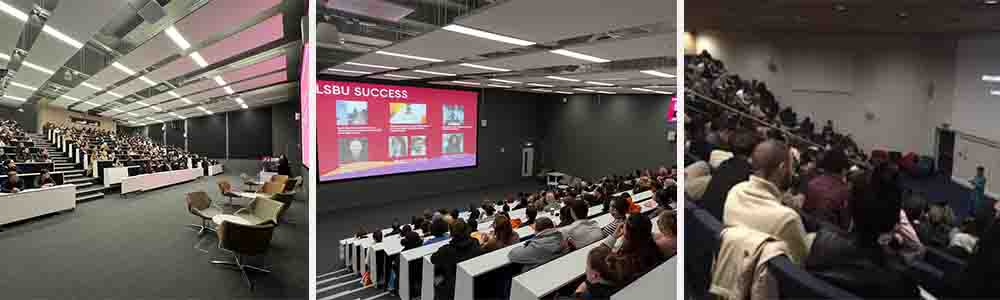
Faculties and Programs; London South Bank University
The School of Law and Social Sciences provides programs related to society, justice, and human behaviour. Law degrees include pathways that lead to legal practice. In addition, criminology and policing studies help students understand crime and justice systems. Sociology and social policy programs focus on social issues and public services. Furthermore, psychology programs combine applied learning with research methods, so students gain a balanced understanding of the subject.
Sub Premises and Specialist Facilities
In addition to the main campus, the university operates several specialised facilities that support professional education. The South Bank Technical College focuses on technical and vocational training. It offers courses in construction, engineering trades, and digital skills. Moreover, apprenticeship programs are available, so students can combine study with work experience.
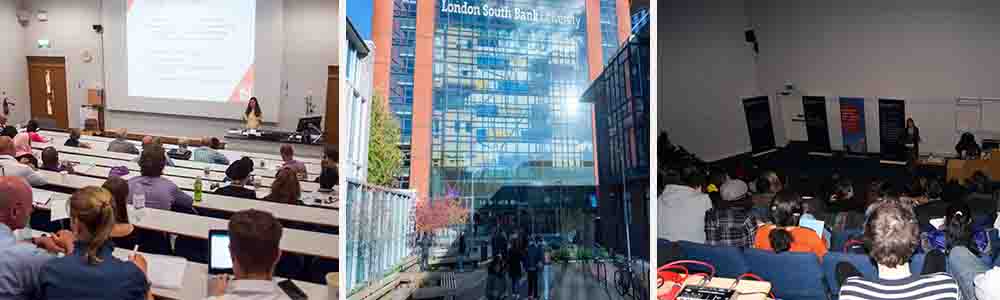
Faculties and Programs; London South Bank University
The Institute of Health and Social Care acts as a dedicated training hub for healthcare students. It provides simulation-based learning, including mock hospital wards. Students practice clinical skills in realistic settings, for example, patient care scenarios. Because of this, they are better prepared for real healthcare environments.
Elephant Studios is another important facility that supports media and creative programs. It provides professional training in film and television production. Moreover, it includes broadcast studios and editing suites, so students can gain practical experience. These facilities are widely used by media students to develop industry-level skills.
4.1.2 History and Functions of Each Campus
The main campus in Southwark has a long history that dates back to 1892, when it was established as the Borough Polytechnic Institute. It was created to serve working-class communities in London by providing practical education. Over time, it developed into a polytechnic and later gained university status in 1992. Today, it functions as the central academic and administrative hub of the university.

History and Functions of Each Campus: London South Bank University
The campus focuses on teaching, applied research, and strong links with industry. Moreover, it acts as the main base for student services, libraries, and faculty departments. Because of its central role, most academic activities take place here.
The sub premises also have specific functions. South Bank Technical College focuses on vocational training and apprenticeships. The Institute of Health provides clinical education linked with the NHS. Elephant Studios supports creative industry training in media production. Overall, these facilities support specialised professional education. They focus strongly on practical learning, skill development, and preparing students for industry.
4.1.3 History of the City -London
London has a history of more than 2000 years, beginning as a Roman settlement called Londinium. Over time, it developed into one of the most important cities in the world. It became a major centre for finance, culture, politics, and education.
During the Industrial Revolution, London experienced rapid growth in trade and industry. This led to the development of educational institutions and research centres. The Southwark area, where the university is located, has a rich cultural history. It was known for theatres, markets, and river trade along the River Thames.
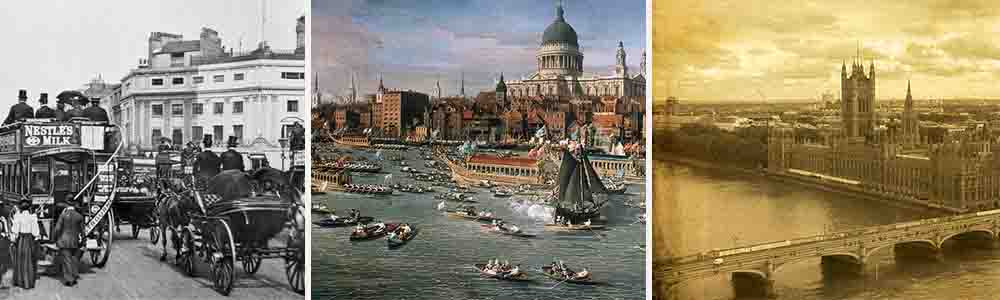
History of the City -London
Today, London is one of the world’s leading education hubs. It has a diverse and multicultural population, which creates a dynamic learning environment. Moreover, it offers strong career opportunities in fields such as finance, technology, healthcare, and media. Because of this, students benefit from both academic and professional exposure.
4.1.4 Infrastructure Facilities
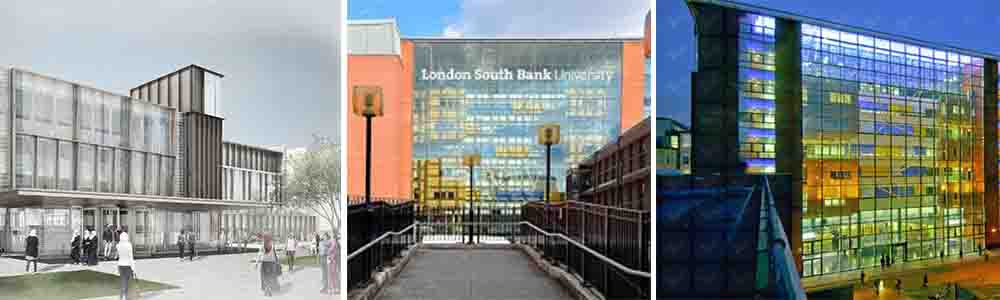
The main campus has a compact urban layout, but it is well-developed with modern facilities. It combines new buildings with redeveloped historic structures. Moreover, the university provides a high-tech learning environment supported by strong digital systems.
One of the most important buildings is the Student Centre, which opened in 2012. It acts as a central hub for students, providing study spaces, social areas, and cafés. This space encourages collaboration and student interaction.
The Library
The Library and Learning Resources Centre is another key facility. It is a multi-floor library with digital resources and research databases. In addition, it provides group study rooms and quiet areas for focused work. Students use this facility for academic research and assignments.
Infrastructure Facilities
The Enterprise Centre
The Enterprise Centre supports business and entrepreneurship. It provides mentoring, networking opportunities, and support for startups. Because of this, students can work on real business projects and gain practical experience.
Elephant Studios
Elephant Studios is a professional media facility equipped with TV studios, sound stages, and editing suites. It is used for film production and broadcasting training. Moreover, it provides industry-standard equipment, so students gain real-world experience.
Health simulation labs
Health simulation labs are located within the Institute of Health. These labs include mock hospital environments with patient simulators and emergency setups. Students use them to practice clinical skills safely.
Engineering workshops provide hands-on training with equipment for mechanical systems and construction models. These facilities allow students to apply theoretical knowledge in practical situations.
In addition, the campus includes cafeterias, student union spaces, sports facilities, and IT labs. A key feature of the infrastructure is its strong connection to industry. The university focuses on practice-based learning rather than only classroom teaching. Furthermore, its location in central London provides access to external resources and opportunities.
4.1.5 Weather in London
Weather in London
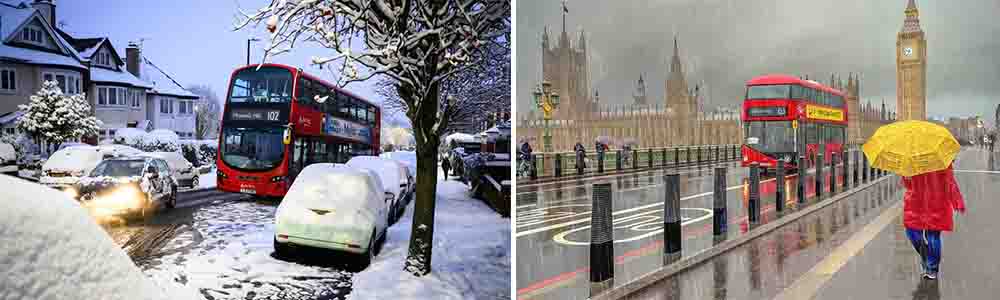
London has a temperate maritime climate, which is typical of the United Kingdom. Summers are generally mild, with temperatures ranging between 20°C and 28°C. This makes the weather comfortable for outdoor activities.
Winters are cool, with temperatures usually between 2°C and 10°C. Snowfall can occur, but it is not very heavy. Rainfall is spread evenly throughout the year, so there is no extreme rainy season.
In addition, humidity levels are moderate, and seasonal changes are noticeable but not extreme. Because London is an urban area, it is slightly warmer than rural regions due to the urban heat effect. Air quality is moderate, mainly because of traffic and city activity.
4.1.6 Transportation & Airports Closest to the Campus
The main campus of London South Bank University is located in central London, so transportation is highly convenient. Students can easily travel using public transport, which is well-developed across the city. Moreover, the campus is close to the Elephant & Castle transport hub. This station connects both the Underground and National Rail services. Therefore, students can travel quickly to other parts of London.
In addition, several bus routes operate around the campus. These buses run frequently, so daily commuting becomes easy and affordable. Furthermore, the London Underground provides fast access to major areas such as central business districts and tourist locations. Because of this, students do not need private vehicles.

Transportation & Airports Closest to the Campus
Air travel is also very accessible. London Heathrow Airport is one of the closest major airports, offering global connections. Moreover, Gatwick Airport is another important option for international and domestic flights. Both airports are connected to the city by train and bus services. As a result, international students can travel easily when arriving or leaving the UK.
4.1.7 Student Life at the Campus
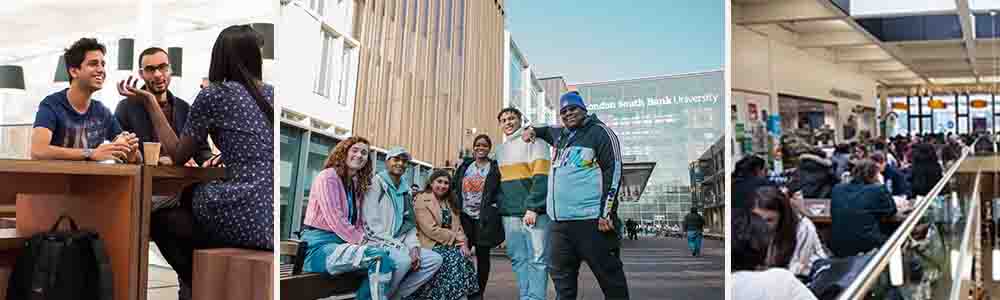
Student life at the university is active and diverse. Because the campus is located in central London, students experience a fast-paced and multicultural environment. Moreover, the university offers many student societies and clubs. These include academic groups, cultural societies, and interest-based clubs. Therefore, students can easily find activities that match their interests.
In addition, the Students’ Union plays an important role in campus life. It organises events, workshops, and social gatherings throughout the year. For example, there are welcome events, cultural festivals, and career sessions. These activities help students connect.
Student Life at the Campus
Sports facilities are also available on campus. The university provides gym facilities, fitness classes, and indoor courts. Furthermore, students can access sports centres in London through private memberships or municipal facilities. For instance, public sports centres in London offer swimming pools, football grounds, and tennis courts. Because of this, students can maintain an active lifestyle.
Entertainment options are widely available around the campus. Students can visit theatres, cinemas, and shopping areas nearby. Moreover, cultural attractions such as museums and galleries are easily accessible. This creates a balanced student experience that combines academics with social life.
4.1.8 Night Life Around the Campus
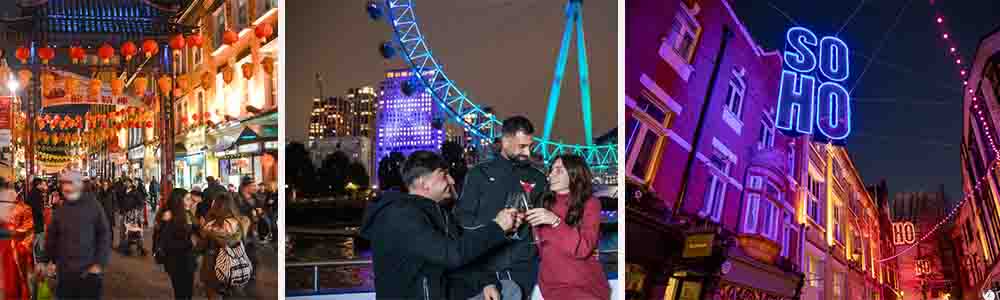
Nightlife around the campus is vibrant because it is located in central London. Students have access to many clubs, bars, and entertainment venues. Moreover, these places offer different experiences, from casual evenings to lively parties.
One popular venue is Ministry of Sound. This is one of the most famous nightclubs in London. It is known for electronic music and large dance floors. Moreover, it hosts international DJs, so it attracts a wide crowd of students and tourists.
Another well-known place is Corsica Studios. This venue offers underground music events and live performances. It is popular among students who enjoy alternative music scenes. Furthermore, the atmosphere is more relaxed compared to larger clubs.
Night Life Around the Campus
For a more casual setting, students often visit The Old Red Lion. This is a traditional British pub located near the campus. It offers food, drinks, and a friendly social environment. Therefore, it is ideal for small gatherings with friends.
In addition, Bar Elba is a popular rooftop bar. It provides a unique experience with city views, music, and outdoor seating. Because of this, it is a favourite spot during warmer months.
Overall, the nightlife options are diverse. Students can choose between clubs, bars, and relaxed venues. As a result, social life remains active throughout the week.
4.1.9 Accommodation
Accommodation is an important part of student life. The university provides both on-campus and off-campus housing options. On-campus accommodation includes university-managed residences located close to the main campus. These halls offer furnished rooms, shared kitchens, and common areas. Moreover, security and support services are available, so students feel safe.
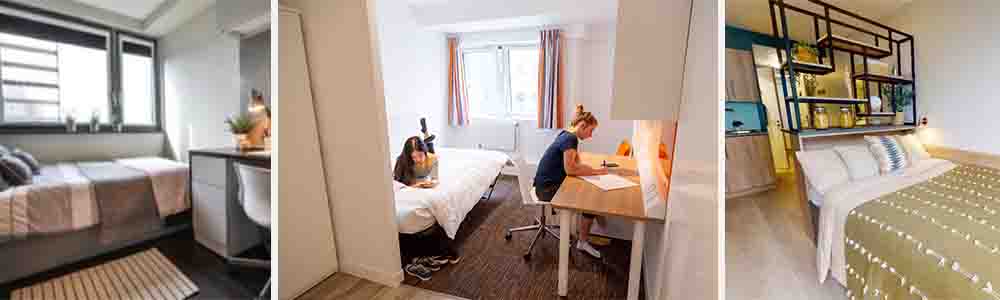
Accommodation
In addition, off-campus accommodation is widely available across London. Students can rent private apartments or shared housing. Areas near the campus are popular because they reduce travel time. However, rent in central London can be high. Therefore, some students choose to live in nearby areas with lower costs.
Furthermore, the university provides guides to help students find suitable housing. This includes advice on budgeting, contracts, and safety. Because of this support, students can make informed decisions about accommodation.
4.1.10 Medical Services & Nearest Hospitals
Medical services are easily accessible near the campus. The university provides student health support, including counselling and wellbeing services. Moreover, students can register with local General Practitioners (GPs) for routine medical care.

Medical Services & Nearest Hospitals
Several major hospitals are located nearby. One of the closest is St Thomas’ Hospital. This hospital provides a wide range of medical services, including emergency care. It is well known for its advanced healthcare facilities.
Another nearby hospital is Guy’s Hospital. It is a teaching hospital with strong links to medical education and research. Moreover, it offers specialised treatments and services.
In addition, pharmacies and clinics are available around the campus. Students can easily access medication and basic healthcare services. Because of this, healthcare support is reliable and convenient for both local and international students.
Read more:
London South Bank University, UK. (Part 1)

Study Overseas details for University Articles